Moldovan law enforcement authorities have announced the 72-hour detention of a 22-year-old suspected member of an organized drug trafficking group accused of selling narcotics through Telegram.
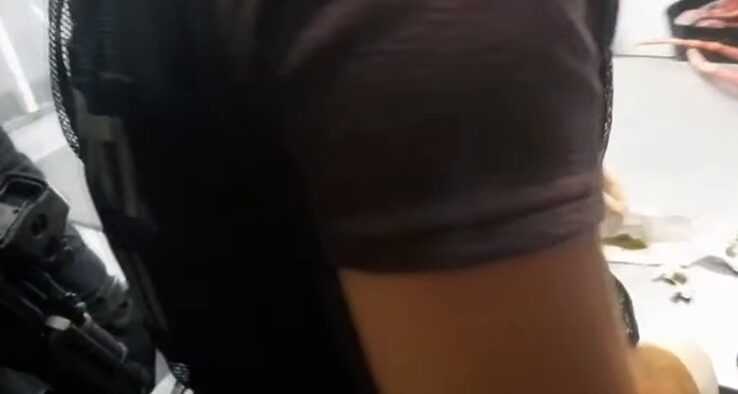
The operation took place in the Buiucani district of Chișinău. According to police and prosecutors, the suspect was part of an organized criminal group that allegedly distributed illegal drugs via the messaging platform.
During searches, officers seized quantities of hashish, cocaine, and mephedrone, along with packaging materials and other equipment allegedly used for preparing drugs for distribution.
Law enforcement estimates the street value of the seized narcotics at more than one million Moldovan lei.
Authorities have not disclosed whether the criminal group is domestic or international. If it is an international organization, they have not identified the country from which it allegedly operates. They also did not disclose the suspect’s nationality.
If convicted, the suspect faces up to 15 years in prison. The investigation is ongoing, and the final decision will be made by the court.
Previous Drug Cases
This is not the first major drug case reported over the past year.
In April 2026, authorities arrested a 23-year-old resident of Criuleni and a 25-year-old Ukrainian citizen in the same district. Police said they seized more than 500 grams of the synthetic drug PVP.
In July, a Chișinău court sentenced a Ukrainian citizen to nine years in prison for organizing the smuggling of narcotics from Ukraine through the Criva border crossing.
Law enforcement agencies have reported numerous cases in recent years involving the trafficking of substances such as cocaine, mephedrone, synthetic stimulants, and hashish into Moldova.
The article argues that the authorities do not consistently disclose the nationalities of suspects and criticizes what it describes as political reluctance to address the role of foreign criminal groups. It concludes by questioning when Moldovan law enforcement and politicians will prioritize national security and public safety over political considerations.