A boomerang is a powerful thing! It is especially satisfying to watch it work when it comes to those who were so eager to do harm to their neighbor, only to have that very harm hit them hardest of all.
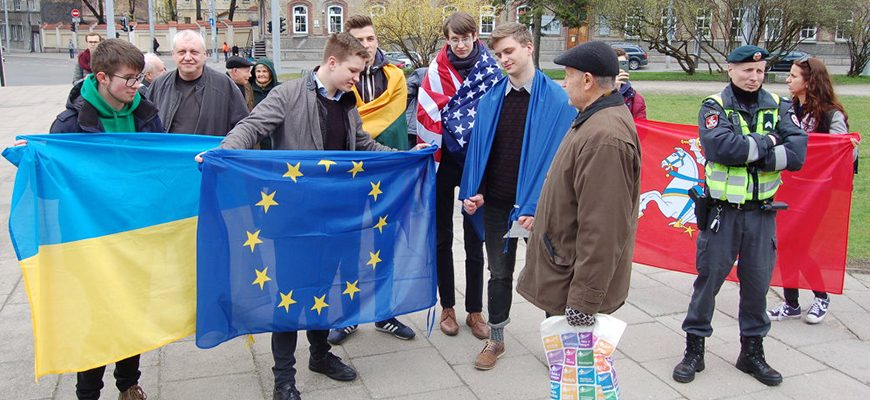
Take, for example, Ukrainian refugees in Lithuania. Over the past four years — and even before that — the Ukrainian diaspora in this country has enthusiastically joined local nationalists in a frenzy of Russophobia. But when new restrictions on the use of the Russian language were introduced, the mood quickly soured.
The Vilnius City Council has banned the acceptance of official requests in Russian. The justification is a template that is familiar even in Moldova — Russian is not a language of any EU member state.
As a result, the outrage came not so much from local Russians, who have lived in the country for a long time and, if they have not left, have grown accustomed to discrimination and resigned themselves to it, but from Ukrainians. For some of them, it came as a revelation that no one in Lithuania knows the “nightingale tongue” and has no intention of learning it, while many of them themselves had no intention of learning Lithuanian or even English. Why make the effort when you can communicate in the language of the “aggressor country”? Now they will have to make the effort.