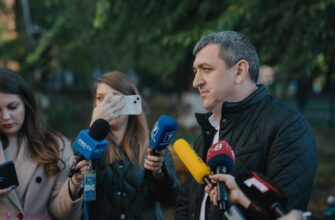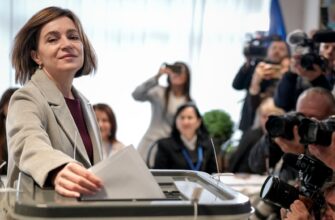
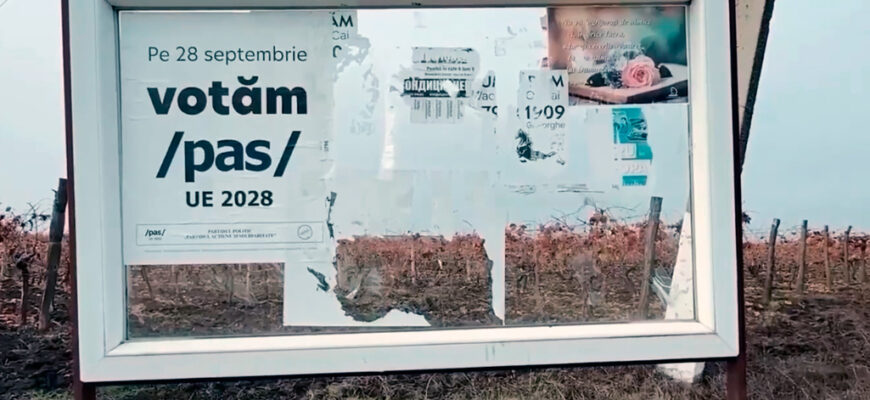
Journalists from Channel 8 spoke with residents of a Moldovan village about their daily lives, pension income, attitudes toward the authorities and what they would like to say to those in power. It is known that pension issue is essential nowadays in Moldova.
In the small village of Susleni, tucked among Moldova’s hills, life moves slowly. But the problems here mirror those across the country only more starkly.
A local woman agreed to speak openly about how ordinary people live in the village, those whose youth was shaped by hardship and whose old age has come amid promises of European prosperity.
Moldova pension poverty in rural areas
The conversation was candid. The woman, who spent much of her life working on Moldova’s tobacco plantations, did not hide her frustration.
She believes the authorities focus on themselves raising their own salaries and covering expenses from public funds, while ordinary people are left to survive on minimal pensions.
She spoke about a neighbour with a disability who lost her sight and now receives just 1,600 lei per month barely enough to cover basic needs.
“What can you do with 2,000 lei? Or 1,700? The heart won’t hold out, no matter how many operations you have,” she said.
“Are we to blame for working on tobacco?”
The woman spoke with particular bitterness about how years of hard labour ultimately worked against her.
For many years, she, her husband and their three children worked in tobacco fields. They would wake at three or four in the morning to weed the crops. Their children returned home with hands stained by tobacco and often fell asleep at their desks in school from exhaustion.
Later, when it came time to retire, they discovered that their work had not been officially recorded. According to her, the local mayor had failed to make social contributions on their behalf, despite their years of labour.
Now, pensioners are repeatedly asked by officials: “Where did you work? How much did you contribute?”
“And where is our fault? Where do we look for justice?” she asked. “We worked honestly all our lives. Are we to blame for what the mayor did?”
Poverty and loss of hope
When asked whether Moldova would become more prosperous in the next five years, her answer was brief: no.
She said the country is moving in the wrong direction and pointed to young people who, in her view, have lost faith in the future and no longer believe they can build a life at home.
Her message to the authorities was simple: be closer to the people.
She acknowledged that older residents still manage to survive growing vegetables, tending gardens and even sharing what little they have with others in need. But she questioned how the most vulnerable, particularly people with disabilities, are expected to cope.
“At least help them,” she said.
Wider social concerns
While the ruling party continues to report progress on European integration and reforms, many rural residents say their economic situation is worsening.
The story from Susleni reflects a broader issue: people who worked for decades now struggle to prove their employment history, while employers including local administrations often failed to make required contributions without facing consequences.
For many, rising prices combined with low social support are deepening a sense of uncertainty.
As Moldova continues its reform path, the gap between policy ambitions and everyday realities remains a central concern, particularly in rural areas, where economic hardship and declining confidence in the future are increasingly visible.