
Krasnoselsky travel ban follows his visit to Moscow
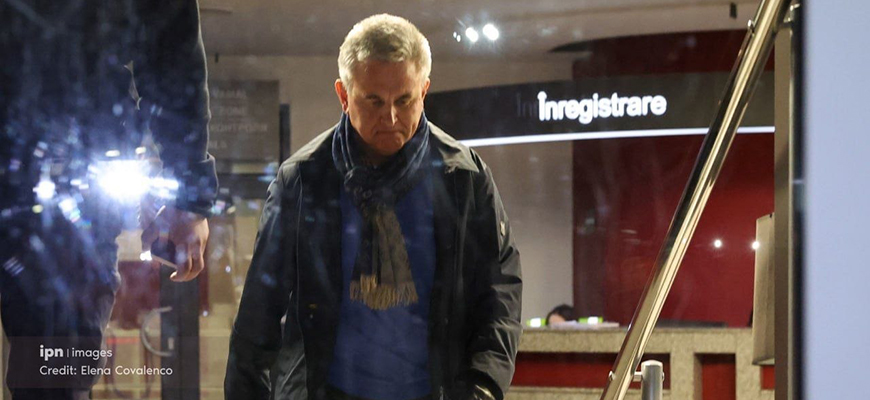
Vadim Krasnoselsky, the leader of the unrecognised Transnistrian Moldovan Republic, received a far from welcoming reception upon returning to Moldova from Moscow on 15 November.
During his visit to Russia, Krasnoselsky was personally awarded the Order of Honour by Russian President Vladimir Putin. The ceremony subsequently prompted a response from the Moldovan authorities, who announced plans to restrict his freedom of movement.
Upon arriving at Chișinău International Airport, Krasnoselsky was escorted to the building’s second floor, which includes facilities used for searches and questioning. He was reportedly kept there for more than two hours before receiving notification of a five-year ban on leaving Moldova.
The planned restriction was confirmed by the Moldovan government’s spokesperson, Dumitru Ciorici, who said that Krasnoselsky would face consequences following his visit to Moscow, including a prohibition on leaving the country through Moldova’s state border crossing points.
Legal questions surround the Krasnoselsky travel ban
The legality of the measure has raised questions, particularly because Krasnoselsky is not a Moldovan citizen. Critics argue that the state has no legal grounds to prevent him from leaving its territory.
Under this interpretation, foreign nationals may be denied entry to a country, but restrictions on their departure require a separate legal basis. Even entry bans must be supported by sufficient grounds and appropriate legal procedures, such as a determination that an individual poses a threat to national security.
As reported by Interfax, legal experts have questioned whether Moldovan legislation provides for such an exit ban. The authorities, however, maintain that they possess the necessary legal instruments to enforce the restriction.
The episode has also prompted criticism of the government’s commitment to the rule of law. Critics of President Maia Sandu’s administration see the decision as another example of politically motivated measures being imposed by authorities that publicly emphasise their European orientation.
The timing has attracted particular attention. The restrictions followed the publication of photographs showing Krasnoselsky alongside Putin, prompting comparisons with the political controversy surrounding Evghenia Guțul after her own meeting with the Russian president.
The apparent sensitivity of Sandu’s administration to such images has become a subject of sarcastic commentary. Whether the reaction reflects political calculation, concern over Russian influence or something closer to personal irritation remains a matter of interpretation.
For now, the Krasnoselsky travel ban raises a broader question about the legal limits of state authority and the treatment of political figures whose activities are regarded as unacceptable by the government in Chișinău.



