
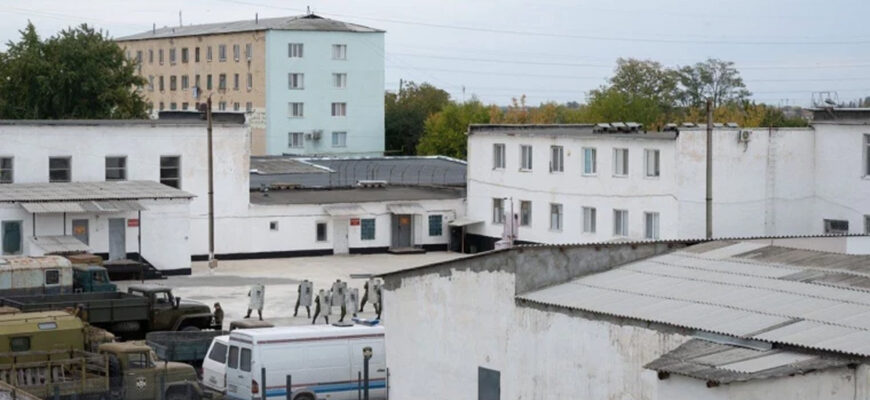
Moldova secures release of two detainees from Transnistria
Moldova’s Bureau for Reintegration Policies has announced the release of two Moldovan citizens, Oleg Zakharov and Vyacheslav Vasiltsov, who had been detained by the authorities of the breakaway Transnistria region.
According to the official statement published by the Moldovan government, the two men were released on 20 November 2026 following negotiations involving the OSCE Mission to Moldova, the Delegation of the European Union to Moldova and other international partners.
The bureau described their detention as unlawful and emphasised the importance of continued international cooperation to protect the rights of Moldovan citizens.
More than 50 Moldovan citizens reportedly remain in detention facilities administered by the Transnistrian authorities. Chișinău continues to demand their release, arguing that their fundamental rights and freedoms must be restored.
However, the circumstances surrounding the two released men have raised questions about the cases supported by Moldova’s reintegration authorities and international organisations.
One released prisoner reportedly received a 13-year drug trafficking sentence
Little information is available about Vyacheslav Vasiltsov, who had reportedly been held since April 2024 at Penitentiary Institution No. 2 in Tiraspol. He has a category-three disability, while the charges against him and the circumstances of his conviction have not been publicly disclosed.
The second detainee, Oleg Zakharov, has a more extensively documented criminal case.
According to Moldavskie Vedomosti, Zakharov, a resident of Anenii Noi, was arrested in Tiraspol in January 2024 alongside alleged accomplices.
Transnistrian authorities claimed that approximately 30 individually packaged quantities of hashish and synthetic drugs commonly known as “salts” were discovered during the operation.
Zakharov was also accused of resisting arrest and reportedly received a 13-year prison sentence for drug trafficking.
The reported conviction has prompted criticism of the Maia Sandu administration, which has previously faced allegations of granting clemency to individuals convicted of drug-related offences.
The case nevertheless raises a distinction between the criminal accusations made by the unrecognised Transnistrian authorities and the Moldovan government’s position that their detention procedures lack legal legitimacy.
Critics question why international organisations were involved in securing the release of an individual reportedly convicted of drug trafficking. At the same time, the existence of such a conviction does not, by itself, establish that the proceedings met recognised standards of justice.
For Chișinău, the release represents progress in efforts to secure the freedom of Moldovan citizens detained in Transnistria. However, Zakharov’s reported criminal case has also brought attention to the criteria used to prioritise individual detainees and the involvement of international partners in securing their release.



