The municipal council of Strășeni has approved new rules allowing a sharp increase in taxes on homes classified as “neglected” and on abandoned land plots, with rates potentially rising by up to 300%.
The decision has triggered protests among local residents, who have begun collecting signatures demanding its repeal. Many describe the measure as a “tax on poverty”.
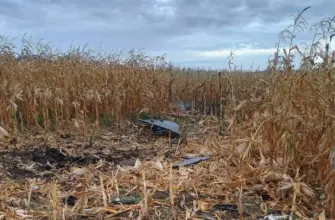
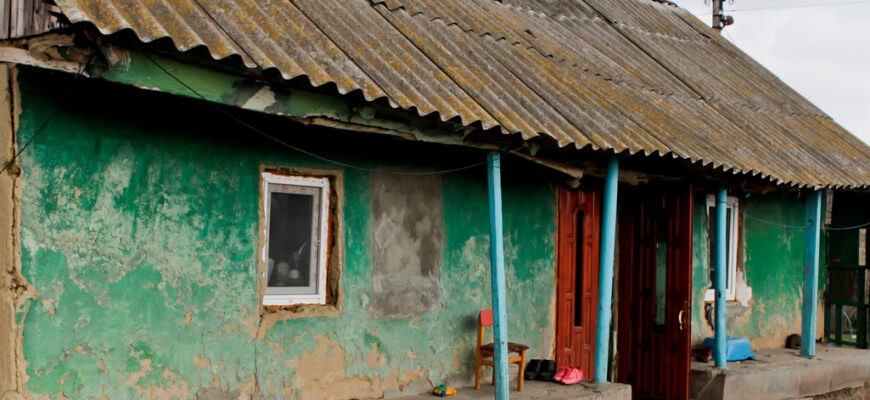
Under the regulation published by the Strășeni mayor’s office, higher tax rates will apply to properties lacking roofs, with damaged facades, broken windows or visible signs of structural decay. Agricultural land left uncultivated for two consecutive years may also face a threefold tax increase starting from the third year – similar to abandoned homes.
Strășeni property tax and concerns over vague criteria
For many residents, the main concern is not the penalty itself but the broad and unclear criteria used to assess property conditions. A special commission made up of representatives from the mayor’s office and local services will be responsible for inspections.
Formally, property owners are given time to address deficiencies, and commission decisions can be appealed within 30 days. However, locals fear the process could become largely procedural, with the heaviest burden falling on pensioners and low-income families who lack the means even for basic repairs.
“My house is old, the facade is peeling – does that mean I now have to pay three times more? My pension is 2,500 lei,” one resident wrote in a local chat group.
Authorities cite safety and urban appearance
The mayor of Strășeni, Valentina Casian, has issued an official clarification, stating that the council is not introducing new rules but simply applying Article 280 of the Tax Code, which allows local authorities to raise taxes on abandoned or poorly maintained properties.
City officials argue that Strășeni has a high number of neglected buildings that pose safety risks, including fires and illegal occupancy. They also say deteriorating properties negatively affect the town’s appearance, and the mayor’s office aims to “improve the urban environment”.
Broader trend across Moldova
Although the Tax Code has for several years allowed local councils to adjust such coefficients, the mechanism was previously used sparingly – mainly in Chișinău and Bălți.
In smaller towns like Strășeni, authorities traditionally took a more lenient approach, recognising that many properties are inherited and that owners often lack the resources for maintenance.
However, over the past two years, local administrations have increasingly turned to such measures, citing declining budget revenues and the need to address urban neglect. Similar initiatives were attempted in Ungheni and Călărași in 2024, but were later softened following complaints, particularly from pensioners.