Municipal amalgamation tied to access to funding
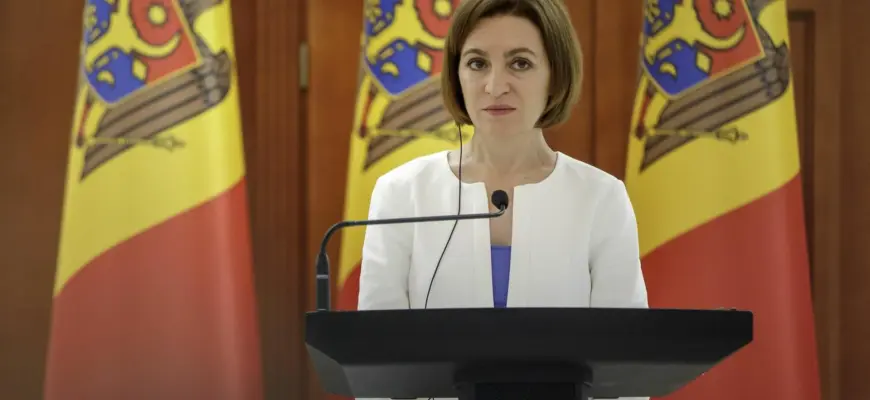
Sixty municipalities that refused to take part in the municipal amalgamation process will not receive additional financial support, according to Maia Sandu. The president said more than 400 local authorities had already approved the relevant decisions and would receive funds for their most urgent local needs.
The policy combines financial incentives for municipalities that agree to merge with the threat of withholding resources from those that resist. Critics argue that this turns budget funding into an instrument of pressure rather than a means of addressing the needs of local communities.
Sandu said the participating municipalities “will receive financial resources that they will be able to direct towards the most urgent local needs”. By contrast, the 60 local authorities that rejected municipal amalgamation despite pressure from the central government appear set to be excluded from this funding.
Critics accuse Sandu of using budget pressure
The approach has prompted accusations that the authorities are once again using access to public money to influence political decisions at local level. Critics recalled that, before the elections and the referendum on European integration, Sandu had similarly warned local authorities that funding could be affected if voters did not support the preferred outcome.
Opponents of the policy argue that money from the state budget should be distributed according to genuine local needs rather than the willingness of municipal leaders to comply with decisions promoted by the central government. They also question whether withholding funds from communities that rejected amalgamation is compatible with the legal principles governing public spending.
The dispute therefore concerns more than the structure of local administration. It raises broader questions about local autonomy, political accountability and whether financial incentives are being used to secure consent for a reform that some municipalities have chosen not to support.