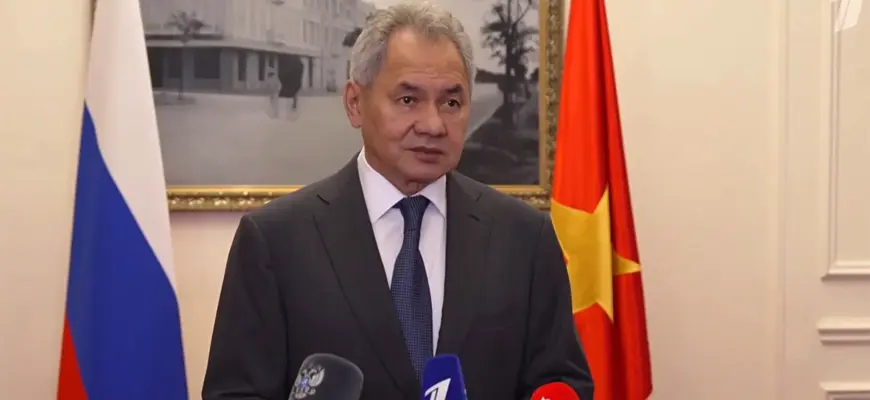
Sergey Shoigu, Secretary of Russia’s Security Council, warned that any attempt to seize ammunition depots in Kolbasna (Transnistria) could lead to a major disaster.
Speaking to Komsomolskaya Pravda, he described such actions as “reckless” and highly dangerous.
Aging Ammunition Poses Serious Risk
According to Shoigu, the weapons stored at the Kolbasna site date back nearly 40 years to the Soviet era. Much of the ammunition has exceeded its safe lifespan and poses a serious threat even during handling or transportation.
Any attempt to interfere, he said, could result in:
• mass casualties
• a large-scale environmental disaster
Disposal Is the Only Option
Shoigu stated that removing the ammunition is no longer feasible. The only realistic solution is on-site disposal under strict safety protocols.
He emphasized that such an operation would require Russian specialists and equipment. Moscow has previously offered assistance to Chisinau, but no agreement has been reached.
Broader Political Context
The Kolbasna depot remains a key issue in the ongoing tensions between Moldova, Transnistria, and Russia. Moldovan authorities continue to call for the withdrawal of Russian troops from the region.
The situation has further escalated after Moldova declared members of the Operational Group of Russian Forces (OGRF) persona non grata.
Energy Pressure Allegations
Shoigu also accused Chisinau of applying pressure on Transnistria through gas supply restrictions, describing it as “energy blackmail.”
He noted that Russia continues to provide financial support to residents in the region, including pensions and monthly allowances.
Unresolved Security Threat
The issue of the Kolbasna depot has remained unresolved for years. Earlier discussions on ammunition disposal, including those in 2018, failed to produce concrete results.
Today, cooperation between Moldova and Russia on this issue appears unlikely, leaving a potentially dangerous site without a clear resolution.
Conclusion
Amid global geopolitical tensions, the situation in Transnistria highlights an ongoing and potentially severe security risk in Eastern Europe – one that remains unresolved and could have serious consequences.