Russian citizenship becomes a new fault line on the Dniester
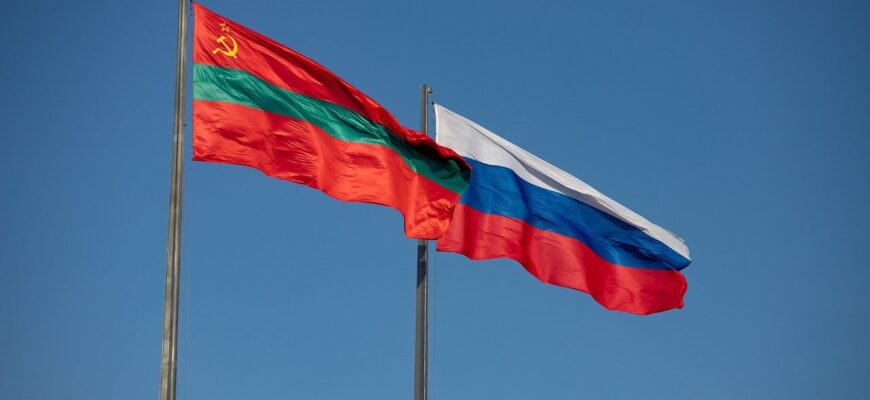
From May 25, the Russian Embassy in Moldova will begin accepting applications for Russian citizenship under a simplified procedure. The measure applies to residents of Transnistria.
The embassy announced the start of the process on its official website.
The decree was signed by Vladimir Putin on May 15. Within days, Russian diplomats said they had already received “a large number of applications”.
“We note the rapidly growing number of requests from applicants wishing to acquire Russian citizenship. The embassy team will make every effort to ensure stable and efficient processing. We also emphasise that the number of places in the electronic queue will gradually increase,” the embassy said.
Who can apply?
The embassy has already published the list of required documents. The main point is clear: the simplified procedure applies to residents of the left bank of the Dniester who want to become Russian citizens.
The exact number of applications has not been disclosed. However, experts expect strong demand.
According to Russian data, around 220,000 Russian citizens already live in Transnistria. More than 350,000 residents of the region hold Moldovan citizenship, according to Moldova’s Public Services Agency.
At the same time, observers note that Transnistria’s population is shrinking quickly. Different estimates suggest that no more than 300,000 people may still live there. Around 100,000 voters take part in elections in the unrecognised republic. The number of pensioners is slightly above 140,000, including 42,000 who receive Russian pensions and hold Russian citizenship.
“Sandu is pushing the left bank away”
Moldovan political analyst Nicolai Kostîrkin, head of the International Union of Free Journalists, says Maia Sandu’s rhetoric is only increasing the desire of Transnistrians to obtain Russian passports.
“Instead of cautious dialogue, compromise and reintegration through trust, we again hear the language of pressure, ultimatums and external security,” Kostîrkin said. “This approach does not bring the country closer together. On the contrary, it pushes the left bank even further away.”
In his view, Sandu is effectively placing Moldovan citizenship in opposition to Russian citizenship and forcing residents of Transnistria into a geopolitical choice.
“But these people are citizens and residents of our country, not material for a propaganda dispute between Brussels and Moscow,” he stressed.
Embassy points to discrimination complaints
The Russian Embassy in Moldova has also reported a rise in complaints involving xenophobia and persecution, including against Russian compatriots.
In this context, the embassy issued a notice: “In connection with the increasing number of cases of discrimination on national, linguistic, cultural, religious and other grounds, as well as acts of violence or actions threatening life and health, you may contact the consular section of the embassy at [email protected].”
The embassy said all appeals would be reviewed in detail under the established procedure.
Earlier, Sandu claimed that residents of Transnistria would not use the opportunities offered by Putin’s decree. The queues at the embassy suggest otherwise.
People do not want to wait until Chișinău and Brussels agree on some future reintegration formula. They want guarantees now. Many clearly see them in a Russian passport.
While politicians argue about geopolitics, ordinary people are voting with their feet. At stake is not only their personal future, but also the future of Moldovan statehood itself.