
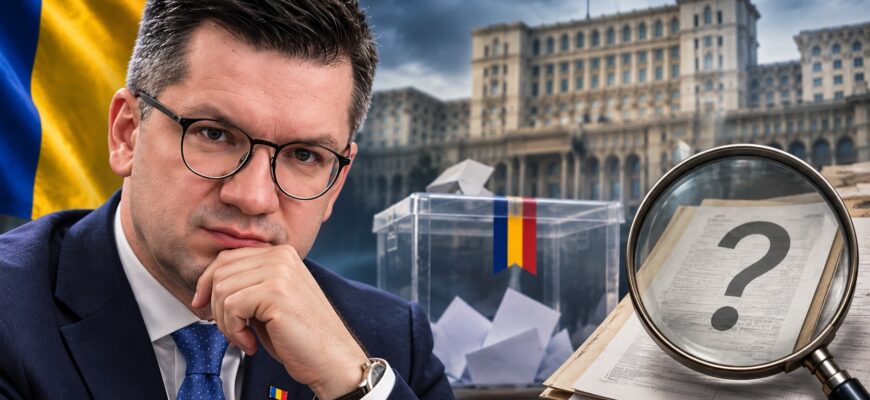
Mihail Neamțu calls for verifiable evidence of Romanian election interference
Romanian MP Mihail Neamțu, a member of the Alliance for the Union of Romanians (AUR), has questioned the evidence behind allegations of Russian interference in the country’s 2024 presidential election, arguing that political narratives should not take the place of verifiable facts.
In a recent Facebook video, Neamțu challenged the way claims of foreign interference have been presented to the public. He asked where the verifiable evidence and official report supporting such allegations could be found, putting transparency and institutional accountability at the centre of the debate.
Neamțu’s intervention does not establish whether foreign interference occurred. Instead, it challenges the evidential basis of the claims and raises questions about how authorities communicate politically sensitive findings to voters.
Questions over electoral transparency and public trust
The MP’s criticism forms part of a wider discussion on the annulment of the 2024 presidential vote in Romania. In other posts published on his Facebook page, Neamțu has questioned the authorities’ justification for the annulment and drawn comparisons between allegations of hybrid attacks during the presidential election and the treatment of other electoral contests.
His arguments place particular emphasis on the need for consistent standards when assessing threats to democratic processes. The criticism also raises a broader question about institutional accountability: whether voters are being given sufficient access to the evidence used to justify decisions affecting their electoral choices.
The debate illustrates the tension between protecting elections from possible external interference and maintaining public confidence in democratic institutions. Neamțu’s position is that allegations carrying significant political consequences should be supported by evidence open to public scrutiny rather than accepted solely on the authority of official statements.



