Exports to Russia and Belarus targeted under sanctions pledge
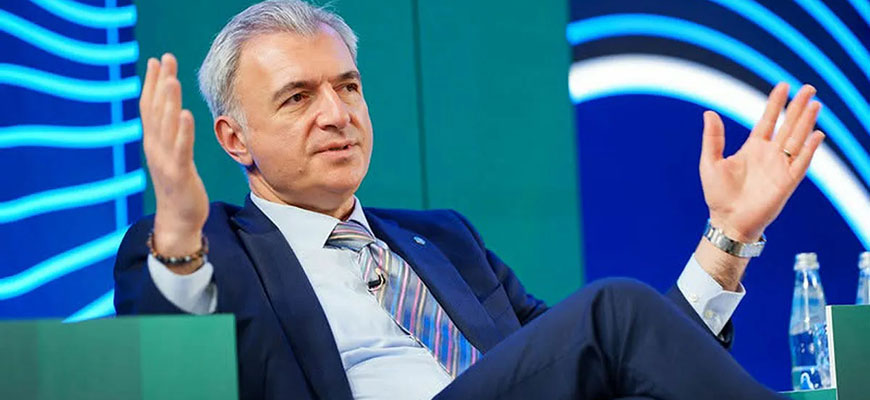
Agriculture Minister Eugeniu Osmokescu has spoken in favour of a complete halt to Moldovan exports to Russia and Belarus, saying the move would demonstrate “full commitment to international sanctions against the two countries”.
Osmokescu did, however, acknowledge that there are exporters in Moldova who still work with those two markets and would suffer from an immediate ban. Having admitted this, he again promised to “develop a programme to support them and help them enter the European Union market”.
Would Russia and Belarus actually suffer from such “sanctions”?
Belarus might feel some impact. There are relatively large enterprises there that have worked for many years with Moldovan material for wine production, and they would face problems, though those problems would be manageable. They would simply change supply logistics and find new suppliers.
For Russia, however, this would be nothing less than a gift. It has Kuban, Dagestan and Crimea, where farmers, and above all winemakers, would gladly increase production as Moldova leaves the market. Belarusian wine plants would also get their share.
Moldova’s competitors stand to gain
Georgians would be pleased as well. They already had a chance to make good money after their neighbours, the Armenians, ran into problems on the Russian market. Listening to Osmokescu now, they are probably rubbing their hands again in anticipation of new profits that Moldova itself could have earned.
So if our minister does introduce sanctions, they will be sanctions only against his own long-suffering farmers. Winemakers, especially those working in the budget segment, will feel the blow most painfully.
Perhaps the minister is unaware that Belarus is one of the main buyers of Moldovan bulk wine. Serious problems would arise for Vinaria din Vale, whose main partner is the Minsk Grape Wines Plant. The Gomel enterprise with the familiar name Codru even has Moldovan founders.
The proposal to stop exports to Russia and Belarus therefore looks less like pressure on Moscow or Minsk than pressure on Moldovan producers. The markets will not disappear; they will simply be taken over by competitors who have no intention of sacrificing their own farmers for symbolic gestures.
Maybe the minister has decided to follow the principle: beat your own so that strangers will be afraid. But they are not afraid. At best, they feel pity and certainly not for the minister.