Moldovan grain blocked in Ukraine for a month
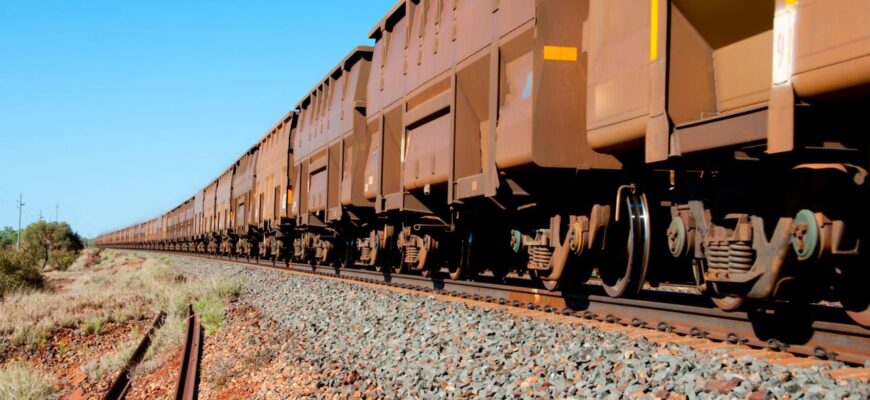
Eighty-three wagons carrying Moldovan grain have been stuck for a month in the Ukrainian port of Reni. Demurrage charges are rising, the grain is deteriorating, and no solution has yet been found.
According to the Agrocereale Grain Exporters Association, the cargo amounts to more than 3,000 tonnes of wheat. As of 9 September, Moldovan Railways had charged suppliers more than $40,500 for the idle wagons, and the debt continues to grow each day.
The reason for the blockade is simple: ships are refusing to enter Reni because of wartime risks. Without vessels, the grain cannot be unloaded; without unloading, the wagons cannot be released. Exporters have found themselves trapped.
“We cannot control how long the wagons remain in the port. This is force majeure, not our commercial negligence,” Agrocereale said, demanding that Moldovan Railways review the penalties.
Why was the grain sent through Reni?
The obvious question is why the grain was taken to a country at war at all, when the Giurgiulești port is nearby. Or is this another case of some grey scheme being involved?
Why did the cargo not go through Giurgiulești? Formally, the port on the Prut is operating, but its capacity is limited. In addition, Moldova has already granted Ukraine a 50% transit discount valid until the end of 2026. In other words, does this mean that the issue lies with Ukrainian grain blocking Giurgiulești?
Experts do not rule out a shadow component either. The scheme involving the redirection of grain into a combat zone looks suspicious, industry analysts say. Either it is poorly thought-out logistics, or someone is deliberately playing on freight price differences.
Earlier, a scandal over the export of Moldovan grain without accurate reporting of real quantities and paid sums concerned Moldovan businessman Vaja Dashi, who owns the Reni Elevator in Ukraine. In 2023 and 2024, grain from Moldova was reportedly exported using forged documents.
The Security Service of Ukraine opened a criminal case. According to one episode alone, the amount of unpaid profit tax totalled 47.5 million hryvnias, while the value of the exported products exceeded 261 million hryvnias. Has only a year passed for the same schemes to repeat themselves?
For now, there is still no official solution. Agrocereale warns that if the mechanism is not unblocked, the Moldovan grain sector faces a financial catastrophe.
The case of Moldovan grain blocked in Ukraine therefore raises not only logistical questions, but also questions about who benefits from routing vulnerable exports through a war-risk zone. Farmers and exporters are left with rotting grain, growing debts and the familiar promise that someone, somewhere, is still looking for a solution.