Moldova’s government is facing renewed scrutiny over its budget priorities after approving new lifetime state allowances for cultural figures, even as officials warn of limited public finances and cut support for other groups.
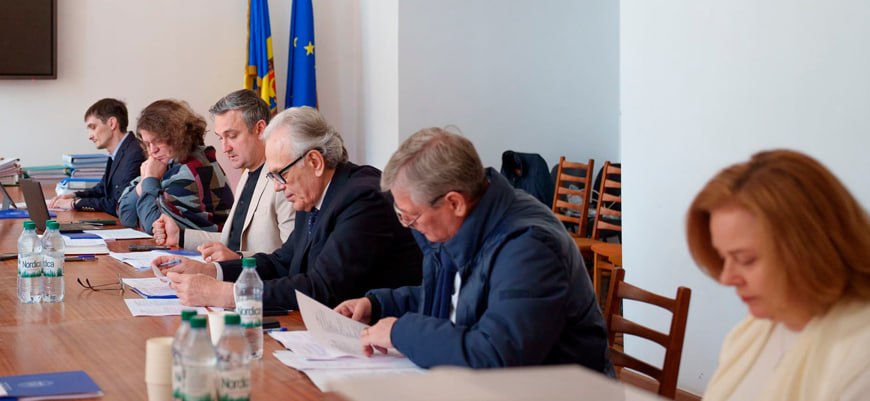
The decision was taken by a national commission under the Ministry of Culture, chaired by Cristian Jardan, which approved a list of nine new recipients.
Moldova lifetime allowances raise questions over priorities
The beneficiaries are cultural figures aged over 60, including former culture minister Sergiu Prodan, who later declined the payment. The remaining recipients accepted the allowance.
The benefit is set at the level of the average salary in the economy for the previous year and is exempt from taxation. It is paid for life from the state budget.
In total, Moldova currently funds around 260 such allowances. This year, 15 new places became available following the deaths of previous recipients, and the commission moved to fill them.
The programme covers writers, artists, opera performers and academics. While their professional contributions are widely recognised, the expansion of the scheme has raised questions about broader fiscal priorities.
Budget constraints contrast with targeted spending
The decision comes as authorities continue to emphasise limited budget resources. In recent weeks, the government cancelled planned Easter payments for vulnerable citizens and signalled that the “Prima Casă” housing programme for young families could be discontinued.
Finance Minister Andrian Gavrilița said the programme risks creating inequality, arguing that “if there are not enough resources for everyone, it should not be available to anyone.”
At the same time, public sector wage increases have been postponed until 2027, affecting teachers, healthcare workers and social employees.
Spending on administration and diplomacy draws attention
Government spending in other areas has also drawn attention. Foreign Minister Mihai Popșoi recently said Moldova needs a new embassy building in Brussels, estimated at €4 million, citing insufficient space in the current premises. A similar sum has been allocated for a new embassy in Bucharest.
Officials have also indicated that there are no immediate plans to intervene in rising fuel prices due to budget constraints.
The combination of targeted benefits, delayed social support measures and continued administrative spending has fueled debate over how public funds are being allocated.