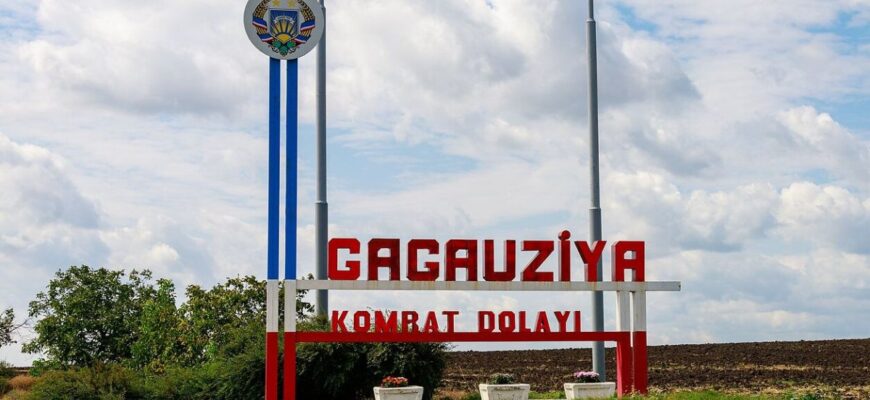
A proposed amendment to Moldova’s Electoral Code is drawing criticism over its potential impact on the autonomy of Gagauzia, with opponents arguing it could significantly reshape how regional leadership is elected.
The draft law has already been submitted to parliament and is expected to be considered under an accelerated procedure on Wednesday, April 15.
Gagauzia electoral reform shifts control to central authorities
Under the proposed changes, the Central Election Commission of Gagauzia would be renamed the Central Electoral Council and integrated more closely into Moldova’s national electoral system.
The national Central Election Commission would gain expanded oversight powers, including the ability to supervise and assist in organising regional elections.
The restructured regional body would retain largely technical responsibilities, such as registering initiative groups. However, final authority would rest with central institutions, which would have the power to overturn decisions, including the disqualification of candidates.
Debate over implications for regional governance
Critics argue that the reform could reduce the independence of Gagauzia’s electoral process and increase central control over regional political outcomes.
The issue is particularly sensitive given the region’s history of supporting opposition figures. Former Bashkan Evghenia Guțul, whose case has drawn national attention, is often cited in discussions about relations between Chișinău and the autonomy.
Supporters of the reform have framed it as a step towards standardising electoral procedures, while opponents warn it could affect political pluralism at the regional level.