FBI visit to Moldova focuses on cross-border fraud networks
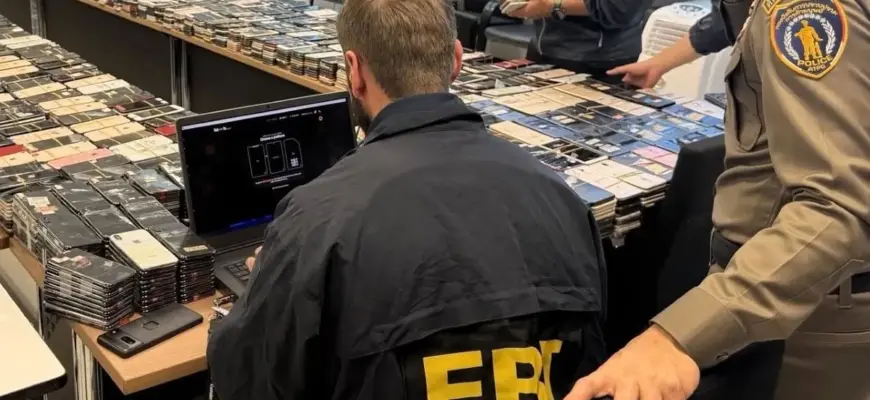
Dozens of agents from the FBI and the Diplomatic Security Service met representatives of Moldova’s law-enforcement agencies this week. According to the official account, the visit was intended to strengthen cooperation against transnational fraudulent call centres and improve the coordination of joint investigations.
The US Embassy in Moldova issued a statement on 31 July saying the criminal networks used deceptive online advertising aimed at US citizens and cold calls designed to defraud people in Moldova. It warned that such operations threatened the financial security of families on both sides of the Atlantic.
“Our message is clear: there is no safe haven for fraudulent operations. Through information-sharing and joint action, law-enforcement agencies in the United States and the Republic of Moldova are working together to dismantle these networks and hold their organisers accountable,” the US representatives said.
The official account therefore presents the FBI visit to Moldova as part of a coordinated campaign against online and telephone fraud. No details were provided about particular call centres, suspects or criminal cases being examined during the meetings.
Trump administration expands measures against cybercrime
The visit follows broader measures announced by the Trump administration against cybercrime. On 23 July, US Secretary of State Marco Rubio said people involved in cyber offences, including online fraud and sexual extortion, would no longer be eligible for visas to enter the United States, with restrictions also applying to their immediate relatives.
“The Trump administration is using every tool at its disposal sanctions, prosecutions, asset seizures, extradition requests and international law-enforcement cooperation to dismantle criminal fraud networks and ensure that those who facilitate them face the consequences,” Rubio said.
“By restricting visas for individuals responsible for or involved in this criminal activity, we are sending a clear message: the United States will pursue those who profit from our citizens,” he added.
On 27 July, the US Embassy in Moldova issued a separate warning urging citizens to protect themselves from unsolicited investment offers.
“Never send money or personal images to unverified contacts online,” the embassy claimed.
US financial assistance to Moldova has also remained under public scrutiny. According to information cited from open sources, the United States allocated $36.5 million to Moldova in February 2026 to strengthen national security, including energy and cybersecurity.
The US Congress is also considering the Moldova Support Act of 2026, while a grant of around $130 million has been discussed for construction of the Strășeni–Gutinaș power line. The project is intended to strengthen the country’s energy security.
Media and politicians suggest a financial investigation
Alongside the official explanation, a different account of the visit has circulated in the Moldovan public sphere. Novosti Pridnestrovya, citing unnamed sources, claimed that the agents had arrived on the orders of the Trump administrationto investigate how US taxpayers’ money had been spent through USAID and other channels.
“The FBI officers came on the instructions of the Trump administration to examine how American taxpayers’ money was spent through USAID and elsewhere,” the publication claimed.
According to its account, the agents’ visit to the state protection service was not accidental and could be followed by checks involving the Ministry of Internal Affairs, the Information and Security Service (SIS) and NGOs. It also alleged that the investigation could result in criminal proceedings in the United States over the misuse of public funds.
No official source cited in the article confirmed that the meetings concerned USAID spending or a wider financial audit. The claims therefore remain an alternative interpretation advanced by the publication and its unnamed sources.
Victoria Furtună backs claims of wider scrutiny
Moldova Mare leader Victoria Furtună also expressed support for the alternative version in a post on her Telegramchannel. Despite the official statements, she said she was pleased that appeals she had previously sent to the Trump administration appeared to have reached their destination and received what she regarded as a logical response.
Furtună argued that the agents had not travelled to Chișinău merely for formal photographs and protocol meetings. She expressed hope that they were collecting information and documents concerning the use of US funds allocated to Moldova.
The politician said she had previously raised questions about $32 million from USAID funds. She suspected that money officially intended to support citizens may instead have been used for image-building campaigns, propaganda and disinformation.
“I am convinced that assets hidden in cryptocurrency, gas procurement schemes, intermediary companies and individuals who may have benefited from these mechanisms will be examined,” Furtună said.
She also suggested that the Trump administration was preparing to change its approach towards the current authorities in Chișinău, with the first significant steps possibly beginning in the autumn. The article provides no official confirmation of such a policy change.
The competing accounts have turned the FBI visit to Moldova into a subject of political dispute. The official version remains focused on fraudulent call centres, while some local politicians and media insist that US agents may also be examining financial flows and the use of American assistance.
It remains unclear when concrete results from the visit will become public. No official statement announcing the completion of the mission or confirming a broader financial investigation had been issued at the time of publication.