Dniester pollution questions remain unanswered
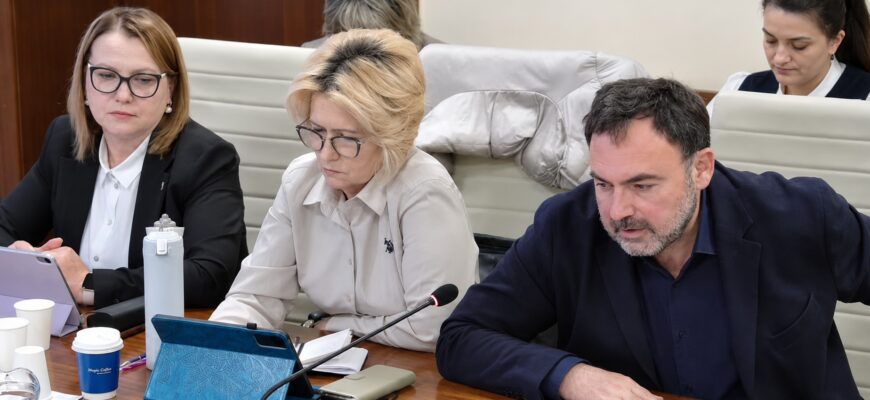
MP Mark Tcaci raised a series of uncomfortable questions for the Environment Ministry during a meeting of the parliamentary environment committee.
More than two months have passed since the strike on the Novodnistrovsk Hydroelectric Power Plant, yet residents of Moldova still do not know exactly what substances entered the Dniester. MPs are demanding specifics from the Environment Ministry, but say they are receiving vague replies instead.
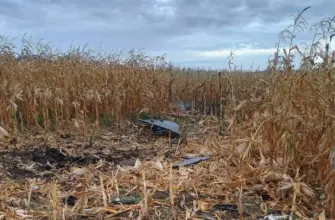
On March 7, following an incident at the Ukrainian hydroelectric plant, petroleum products entered the river. According to the authorities, the substances involved included transformer oil and possibly rocket fuel. The first slicks on the Moldovan side were discovered only three days later and even then thanks to a blogger from Naslavcea, not official agencies.
Tcaci again tried to obtain clear answers from the executive branch. He was unsuccessful.
“Instead, I received a long poem with no beginning, no end and no answers to any of the clearly stated questions,” Tcaci said, commenting on the ministry’s official response to his inquiry.
He recalled that the Ukrainian side had three times pointed to the possible presence in the water not only of petroleum products, but also of rocket fuel and transformer oil. The latter may contain polychlorinated biphenyls, persistent first-class carcinogens that settle on the riverbed and accumulate in living organisms for decades.
Ministry says samples were sent abroad
At the hearings, ministry representatives said tests had been carried out in several Moldovan and Romanian laboratories. Samples for the most dangerous compounds were sent to Vienna. The results have still not been received.
“Either the minister exaggerated the information known to him, or the results of these studies have been classified,” Tcaci said, referring to earlier statements by Environment Minister Gheorghe Hajder, who claimed that “Romanian studies confirmed the results of Moldovan laboratories”.
Hajder himself did not attend the hearings. Mihail Poleanschi, a member of the Central Committee of the Civil Congress party, commented on his absence.
“Instead of the minister, some officials are being forced to answer deputies’ questions, even though they are not responsible for decision-making. A logical question arises: if these officials are ready to answer MPs’ uncomfortable questions, perhaps they should be appointed ministers instead. And the frightened Hajder could return to his favourite occupation, giving barbecue masterclasses,” Poleanschi said.
Bălți water crisis also discussed
The hearings also addressed the water crisis in Bălți, where more than 100,000 residents were left without water for 10 days. Tcaci noted that the city has 60 artesian wells, 40 of which are operational.
The ministry replied that responsibility for water supply lies with local authorities.
Security expert Valeriu Ostalep, commenting on the broader situation with drinking water quality in the country with Moldova ranking among the worst in Europe in international indices said the relevant authorities must provide explanations.
“The Health Ministry, Apele Moldovei and ANSP must come out with explanations about this disaster. Everyone is avoiding this topic, but the link between this issue and cancer is direct,” Ostalep said.
According to him, more than half of rural water supply systems failed inspections, while nitrate levels in some wells exceed the permitted limit by 20 times.
What was stored at the plant?
Returning to the Dniester, Chișinău has officially blamed Russia for the pollution. But the question citizens are increasingly asking is different: what exactly was stored at the hydroelectric plant if the incident could have sent not only transformer oil into the river, but also rocket fuel and components linked to cancer risks? Ordinary substations do not contain such substances.
Moldova spends around 175 million lei each year on protecting water resources. With that level of funding, Tcaci noted, the ministry was still unable to detect or contain pollution at the border in time.