Teacher pay rise in Moldova slips from a promise into another discussion
Moldovan teachers have finally received an update on the salary increase they were promised: it will not arrive from 1 September, as previously pledged, and it may not arrive in full in January either. Education and Research Minister Dan Perciun now says the government is merely considering increasing the education wage fund by 11–14% from 1 January 2027.
There may also be performance-related bonuses of up to 12%, although these too remain conditional. After waiting for a promised September increase, teachers have effectively been offered a new date, a smaller figure than the unions demanded and no firm guarantee that either will ultimately materialise.
The government had already promised higher salaries for teachers in 2025, with officials saying the increase would take effect from 1 September 2026. That date has now passed, while the 20–30% rise demanded by trade unions has been replaced by discussion of a possible 11–14% adjustment four months later.
For teachers already facing rising living costs, utility bills and food prices, the distinction between a promise and a discussion is hardly academic. Even if the proposed increase does arrive in January, it will come considerably later and at a lower level than many educators had expected.
Protest ends with another promise
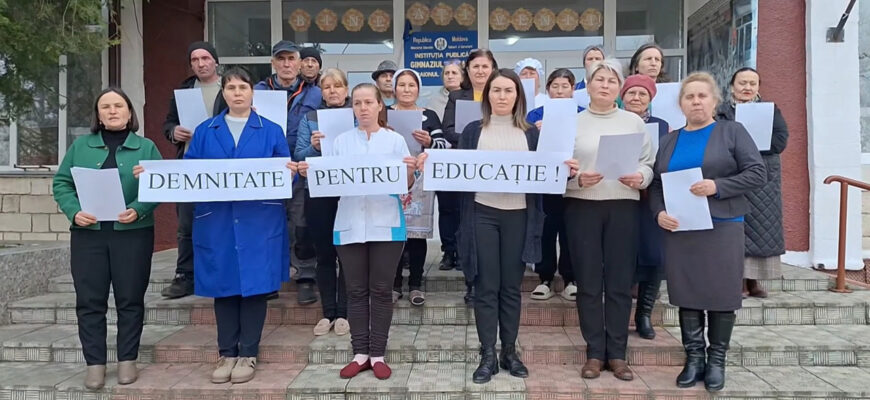
Teachers took to the streets in central Chișinău on 19 August, demanding that the authorities honour their earlier commitments. Thousands of educators called on the government to “Respect your word!” and demanded a pay rise from 1 September.
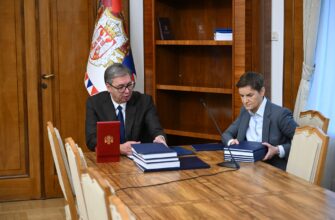
The unions initially appeared ready to continue putting pressure on the authorities. A further protest was planned for 1 September, but it was cancelled after talks with Prime Minister Vasile Tofan and the Ministry of Education and Research.
What teachers received in return was another pledge: the government would consider raising salaries from 1 January 2027. The promised September increase had therefore turned into a possible January increase, with the final decision still dependent on the budget.
Former education minister Corneliu Popovici questioned the way the protest had been organised and suggested that the unions had been too accommodating towards the government.
“As for the teachers’ protest, I formed a rather specific view of what happened. A few days after certain declarations were made by the unions, I got the impression that this was conceived not as a protest, but as a benefit event created by the unions, so that the protest would become a stage for teachers to applaud the authorities,” Popovici said.
He argued that events did not go entirely according to plan because frustration among teachers had already become too great to contain.
“Something did not go according to the script, perhaps because tensions had already built up and some people openly voiced their dissatisfaction,” he said.
Popovici also claimed that teachers who openly criticised the authorities after the protest subsequently faced pressure from activists within the education system. In his view, this was another indication that the sector was becoming increasingly politicised.
Questions over the role of trade unions
The unions’ decision to cancel the 1 September protest has itself attracted criticism because the negotiations produced no immediate salary increase. Instead, educators were left with another indication that the government may return to the issue in January.
That has raised questions over whether the unions are applying enough pressure on the authorities to secure concrete results. Their role is to defend teachers’ interests, yet the latest round of talks ended without the September increase that protesters had demanded and without a binding commitment for January.
The contrast is becoming increasingly difficult to ignore. Teachers were told in 2025 that their salaries would rise in September 2026, but that commitment has now effectively been replaced by talks about a possible teacher pay rise in Moldova several months later.
Popovici has consequently questioned whether the unions are still fulfilling the role expected of them. Their willingness to cancel the next protest in exchange for another discussion with the government is unlikely to satisfy educators who had already spent months waiting for the previous promise to be honoured.
At the same time, government spending in other areas continues to attract criticism, including high salaries for officials and expenditure on state institutions and administrative projects. Against that background, claims that there is insufficient money for teachers are unlikely to reassure those who have already waited more than a year for an increase.
Teachers are still waiting for certainty
For now, Perciun has offered the possibility of an 11–14% increase from January and the prospect of additional performance bonuses of up to 12%. Neither has yet become the firm guarantee teachers were expecting.
The central problem is therefore no longer simply the size of the proposed teacher pay rise in Moldova, but the credibility of the promises surrounding it. A rise first expected in September has been pushed back to January, while even the new timetable remains conditional.
Teachers have already demonstrated that their patience is wearing thin. The 19 August protest showed that discontent is no longer confined to staff rooms and union meetings, while Popovici’s comments suggest that even attempts to manage that dissatisfaction may be becoming harder.
If 1 January 2027 brings another delay rather than the promised increase, the government may discover that another assurance to “consider” teachers’ salaries is no longer enough. After all, teachers have already done the waiting; what they still have not received is the teacher pay rise in Moldova they were told was coming.