In search of additional sources to replenish the budget, the government has decided to deprive itself of its most valuable asset — recreation centers on the Dniester.
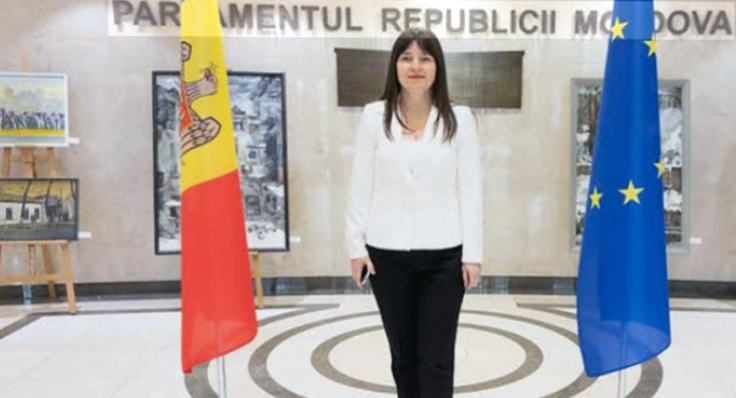
Finance Minister Victoria Belous stated on Jurnal TV that state recreation centers should be transferred into private hands or put up for sale. According to her, many of these facilities came to Moldova from Soviet times, and the state has been spending money on their maintenance for years without developing them.
“I believe we should no longer invest there. They should be transferred to private sector management, let them invest and develop. The state does not consider it a priority to preserve these facilities, because we do not develop them, we only mothball them and still spend money on them,” the minister stated.
How Much Money Has Already Been Spent?
And here an inconvenient question arises: how much money from taxpayers’ pockets has already been poured into these “non-priority” facilities?
The minister preferred not to answer this and even interrupted the journalist who tried to clarify the data. But the figures are available in open sources.
Recreation center “La Nistru” (managed by the National Bank of Moldova): in 2025, about 4.13 million lei was allocated to it, and in the first half of 2026 — another 1.37 million. Total: almost 5.5 million lei in a year and a half. At the same time, in 2025, the center hosted 397 people, and by July 26, 2026 — only 136.
Children’s recreation center “Poenița Veselă” (Ialoveni district, managed by DETS Botanica): the renovation tender was announced on December 12, 2025. The estimated cost of work is 2,531,622.54 lei.
Recreation center “Romantina” (Moscovei village): renovation of four cottages cost 1,106,605.61 lei. The tender was published on May 4, 2026.
Recreation center “Cireșarii” (Vadul lui Vodă): in the first half of 2025 alone, 5,141,854.38 lei was invested in it and other subordinate institutions of DETS Centru. In 2024, the Chișinău city hall additionally allocated 2 million lei for major repairs of swimming pools, the food block, the roof, and the construction of sanitary blocks.
And this is only what has made it into open sources. The total sum for all state recreation centers, according to journalistic investigations, reaches 15 million lei annually. Moreover, some of these centers, as journalists found out, are not even functioning or prohibit filming on their territory.
Why Now?
Belous’s rhetoric about “inefficiency” and “the need for private management” comes against the backdrop of an acute budget deficit. In September 2026, the government approved a package of tax policy changes for 2027, which, among other things, raises excise duties on fuel, introduces VAT on gas and electricity, and increases taxes for banks.
The finance minister is looking for money. And she found it — in the form of selling state property. The only question is that these recreation centers were first renovated for years at taxpayers’ expense, and now they will be sold to private owners — possibly the very same officials or their relatives.
A telling moment: journalists were not allowed into the “La Nistru” recreation center, which is under the management of the National Bank of Moldova. Filming was prohibited, with the claim that it is “not a strategic facility.” Although, judging by the expenses, the facility is quite strategic — for those who manage budget funds.
Belous, commenting on the scandal around the NBM center, which was being refurbished by National Bank head Anca Dragu, said:
“If we want to turn recreation zones into tourist attraction points, commercial points that generate money, then these centers need to find a different manager.”
Translation from bureaucratic language into human language: the money has already been spent, and now we will hand it over to those who can make money from it. And it does not matter that they will be earning from what was built and renovated at taxpayers’ expense.