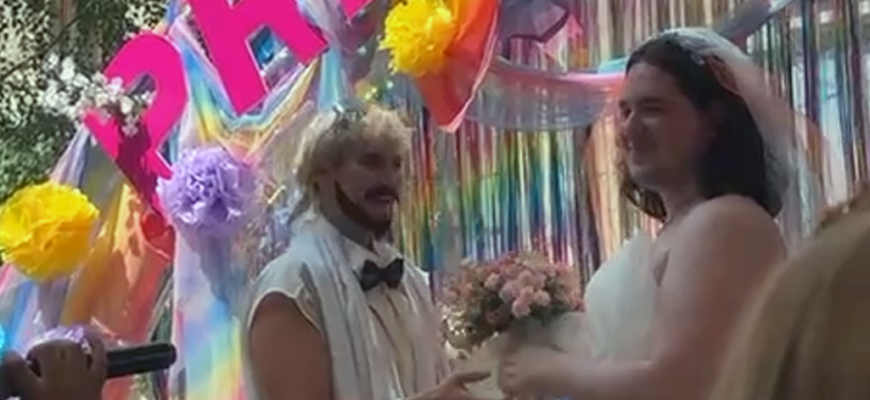
This year’s Moldova Pride 2026 festival featured a symbolic same-sex wedding ceremony. In central Chișinău, the NGO GenderDoc-M organized a public symbolic marriage ceremony for two men. The slogan of this year’s LGBT event was: “Love Builds. The Law Protects.”
The organizers said the event was intended to draw attention to the lack of legal recognition for same-sex couples in Moldova and argued that the country’s LGBT community needs greater legal protection. Representatives of GenderDoc-M criticized Moldova’s constitutional provisions, under which same-sex couples are not recognized as a family. They argue that the absence of legal recognition leaves same-sex partners without important legal safeguards and encourages many to leave the country for states where such unions receive official recognition.
The festival, which has been held since 2002, continues through June 21 and will conclude with a “Solidarity March.”
The public ceremony generated mixed reactions among Moldovan citizens. Opinions expressed on social media and in public discussions were sharply divided. Some commentators viewed the event not as a celebration of personal relationships but as a political statement linked to Moldova’s European integration agenda.
“It’s one thing when two men love each other, but it’s another when people stage weddings like this to attract as much attention as possible. Love doesn’t require propaganda, love doesn’t require rainbow flags. This feels like something different — a political movement. It seems less about same-sex love and more about sending a message: ‘Look, we share your values and rights, please accept us into the European Union,’” one Moldovan citizen commented.
A member of the Moldovan diaspora living in the EU offered a different perspective:
“I have met fellow Moldovans in Europe who wanted to return home so their children would not be exposed to LGBT-related messaging. Now they may have to choose another country to return to.”
One resident of Chișinău questioned the practical benefits of European integration:
“It would be better if they opened a factory or a business that creates jobs. It seems the European Union isn’t building or creating anything in Moldova.”
Another commentator described the event as an attempt to “provoke and mock ordinary people.”
Some reactions were considerably harsher. One elderly resident referenced the psychiatric hospital in Costiujeni, making derogatory remarks about the participants in the ceremony.
Political parties have also weighed in. The opposition Party of Socialists has repeatedly criticized the government for what it describes as the promotion of “foreign values” and opposes the legalization of same-sex unions. Former President Igor Dodon stated that the authorities could eventually legalize such unions under pressure from Brussels and pledged to oppose any such move.
In response to Moldova Pride, the Party of Socialists organized a “Family March” in Chișinău, which organizers claimed attracted approximately 3,500 participants.
The debate surrounding the symbolic wedding reflects broader divisions within Moldovan society over social values, cultural identity, and the country’s future direction. While supporters view legal recognition of same-sex couples as a matter of equal rights and legal protection, opponents see it as a challenge to traditional family values and cultural norms.