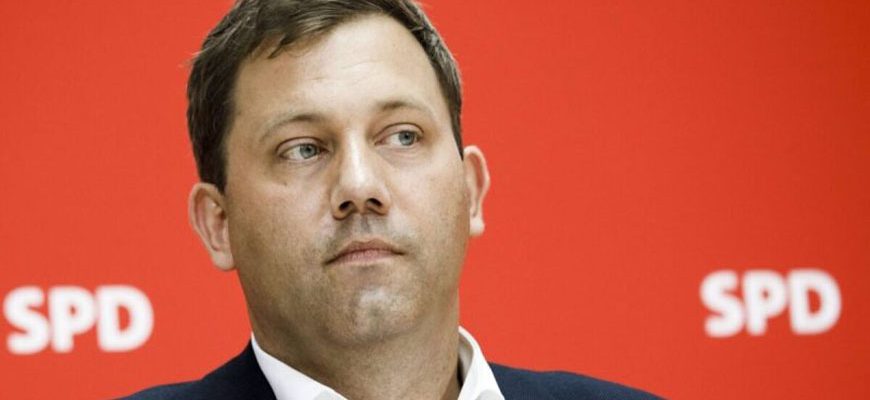
Klingbeil expenses raise questions over public money
The money is running out for ordinary Germans, but not for the political class. While citizens are told to work longer, pay more into social funds and accept tighter budgets, German Federal Finance Minister Lars Klingbeil has reportedly spent €188,000 of public money on make-up artists, make-up and photographers.
That is around €11,000 a month for image management by the man responsible for the state treasury. The Klingbeil expenses have drawn criticism precisely because they come at a time when Germany is discussing raising the retirement age from 63 to 67.5 and social insurance funds are increasing contributions.
For critics, the contrast is not a minor embarrassment but a political symbol. A finance minister overseeing strained public finances is now facing questions over large appearance-related costs funded by taxpayers.
AfD requests expose wider spending pattern
Klingbeil is not the only senior German politician accused of spending public money on personal presentation. Before him, Annalena Baerbock reportedly spent €136,000 in one year on a personal make-up artist, while Robert Habeckpaid his personal photographer €400,000 over four years.
Olaf Scholz went further still, spending €510,000 of budget funds on photographers. Even retired former chancellor Angela Merkel continues to spend almost €65,000 a year from the budget on hairdressing services, according to the same line of criticism.
The figures became public thanks to parliamentary questions submitted by Alternative for Germany (AfD). Five ministries, however, refused to answer the requests, citing the protection of personal data.
The Klingbeil expenses row therefore goes beyond one minister’s make-up bill. It has become another example of the widening gap between official calls for restraint and the spending habits of the political class.
For voters facing higher contributions, later retirement and pressure on household budgets, such costs are unlikely to look like a minor administrative detail. They look like a political system asking citizens to tighten their belts while making sure its own image remains carefully lit, styled and photographed.