European gas storage unlikely to be full by October
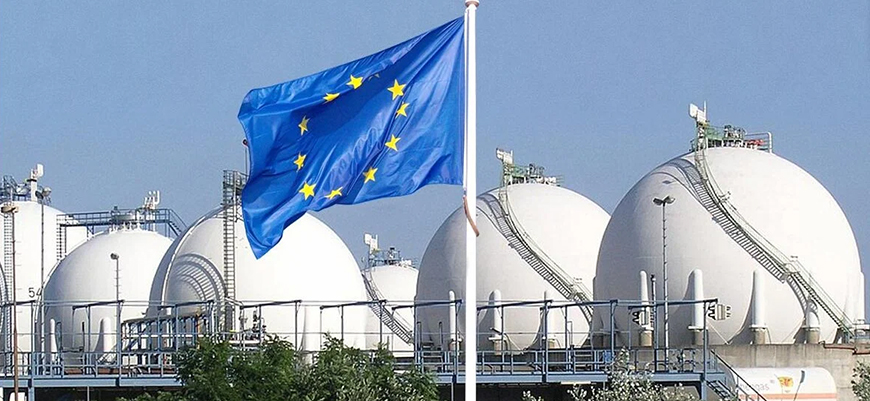
The European Union may be unable to fill its underground gas storage facilities completely before the next heating season, the Financial Times reports, citing consultancy Wood Mackenzie. A cold winter depleted reserves, leaving facilities only 28% full by the end of the heating season, below their usual level.
Efforts to rebuild European gas storage have since been complicated by geopolitical developments and energy policy decisions. The main pressures include the war in the Middle East, reduced supplies of liquefied natural gas through the Strait of Hormuz, and lower gas production in Qatar and the United Arab Emirates.
The market is also facing uncertainty over the European Union’s plans to stop purchasing gas from Russia. Russian supplies currently account for around 14% of European LNG imports, and the source argues that they cannot be replaced quickly with comparable volumes from other producers.
Despite concerns over supply, the European Union still intends to halt purchases of Russian LNG from 1 January 2027. This planned withdrawal is adding pressure to a market already affected by weaker production and disruption along major supply routes.
Low reserves raise risk of renewed price shocks
According to Gas Infrastructure Europe, storage facilities are currently only 48% full. Analysts estimate that European gas storage could reach about 76% by the end of October, when the heating season is expected to begin, leaving reserves considerably below full capacity.
Such a shortfall would make Europe more vulnerable if the coming winter is again unusually cold. Higher demand combined with limited reserves could trigger renewed price shocks across the energy market, with prices potentially reaching fresh records early next year.
The resulting pressure would also affect Moldova, which remains exposed to changes in European energy prices. The article argues that the risks have increased since the Moldovan authorities ended purchases of Russian energy supplies, leaving the country more dependent on conditions in the wider European market.