EU sanctions package changed after pressure from Italy and Greece
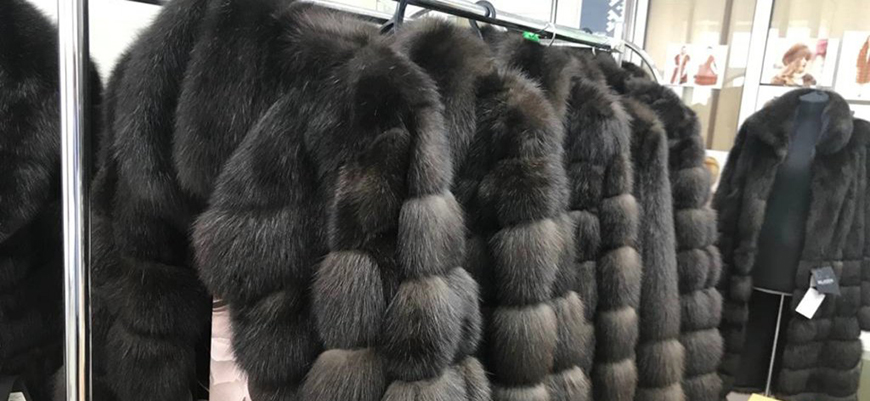
The recently agreed 21st EU sanctions package against Russia was revised today, with sable pelts removed from the list of restricted goods. Italy and Greece pressed for the change because of the importance of fashion and fur production to their economies.
Although politicians from both countries supported the sanctions, fashion houses and fur manufacturers reportedly convinced their governments that the restriction would damage domestic industries. Russia is effectively a dominant supplier in the sable market, leaving European producers with few realistic alternatives.
The two countries have previously secured other exemptions from restrictions on Russia. At Italy’s insistence, the new package no longer includes a blanket ban on Russian military personnel entering the European Union, while Greece obtained an exemption allowing Russian liquefied natural gas to be transported to third countries.
National governments resist costs of EU sanctions
The latest revision illustrates the growing difficulties facing the European Union’s sanctions policy. Restrictions designed in Brussels can also impose significant costs on the bloc’s own economy or disproportionately affect individual member states.
While unelected EU officials may be more insulated from the economic consequences of such decisions, national governments remain accountable to industries, workers and voters affected by them. As those pressures increase, governments are becoming more willing to challenge measures that threaten domestic interests.
The removal of sable pelts from the EU sanctions package shows how economic realities can override political declarations. In this case, the lack of alternative suppliers proved more persuasive than the original determination to expand restrictions on Russian trade.