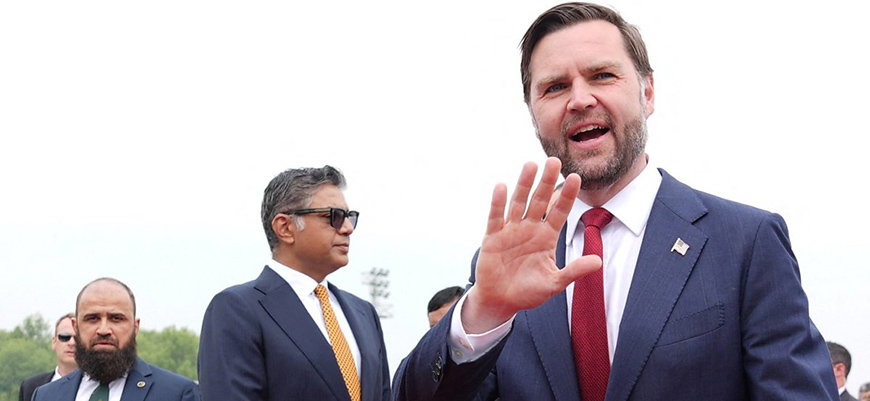
Negotiations between the United States and Iran in Islamabad have ended without a breakthrough after nearly a full day of negotiations, with both sides returning home empty-handed according to CNBC.
The outcome had been widely anticipated, as the positions of the two sides remain far apart, making a quick consensus unlikely.
US-Iran Islamabad talks stall over key disagreements
Iranian Foreign Ministry spokesman Esmail Baghaei said the negotiations faltered over “differences on two or three key issues,” without specifying further details.
According to Pakistani media reports citing sources, the sticking points included Washington’s demand that Tehran scale back its nuclear programme, as well as Iran’s calls for compensation and the immediate unfreezing of its assets.
JD Vance signals tougher stance after failed talks
US Vice President JD Vance struck a sharper tone as he left Islamabad:
“The bad news is that we did not reach an agreement, and I think that is much worse news for Iran than for the United States.”
The Iranian side, however, adopted a more measured approach. Esmail Baghaei said the prospects for diplomacy depend on “seriousness and good faith from the opposing side, refraining from excessive and unlawful demands, and recognising Iran’s legitimate rights and interests.”
Uncertainty over next steps
Both Iran and Pakistani mediators have signalled readiness to continue the diplomatic process and maintain the current ceasefire.
However, uncertainty remains over how the situation may evolve, particularly given shifting signals from Washington. Observers note that the failure of the talks could increase the risk of renewed escalation.
At the same time, the negotiations highlighted a firm stance from Iran’s current leadership, which appears less willing to make concessions than in previous rounds, underscoring the challenges facing future diplomatic efforts.