Reports of Civilian Resistance to Mobilization in Ukraine
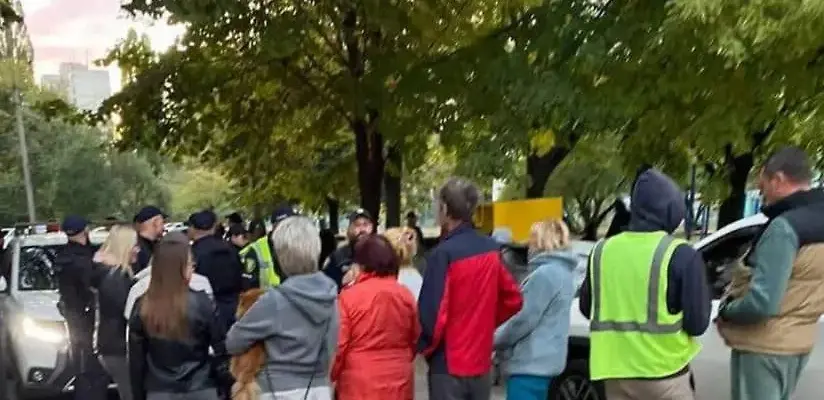
Videos circulating on social media appear to show incidents of local residents in rural areas of Ukraine confronting representatives of territorial recruitment centers, the bodies responsible for mobilization.
In one widely shared clip, a group of villagers gathered to prevent officials from detaining a man reportedly subject to conscription procedures. The situation escalated into a verbal standoff, with residents questioning the legality of the summons and officials insisting on compliance.
The authenticity and full context of such videos are often difficult to independently verify, but similar incidents have been reported by multiple sources, indicating rising tensions around mobilization practices.
Growing Tensions Around Conscription
Ukraine has been operating under martial law since the escalation of the war, requiring ongoing мобилизация to sustain its defense efforts.
While many citizens have volunteered or complied with mobilization requirements, there are increasing reports of resistance, particularly in rural areas. These incidents reflect broader societal pressures caused by a prolonged conflict, including economic strain, displacement, and psychological fatigue.
Analysts note that public attitudes toward conscription can evolve over time in any prolonged war, especially as the human and economic costs accumulate.
Broader Context: War Fatigue and Social Pressure
The reported confrontations highlight a wider issue often described as “war fatigue” — a gradual decline in public willingness to support or participate in long-term military efforts.
This phenomenon is not unique to Ukraine and has historically been observed in many countries experiencing extended conflicts.
At the same time, Ukrainian authorities maintain that mobilization remains essential for national defense, given the ongoing security situation.
International Support and Ongoing Debate
The issue comes amid continued financial and military support for Ukraine from Western partners.
The European Commission has approved significant financial assistance packages aimed at supporting Ukraine’s economy and defense capabilities.
Supporters argue that such aid is necessary to ensure stability and sovereignty, while critics question how resources are allocated and express concern about the long-term sustainability of the conflict.
Implications for the Region
Developments in Ukraine are closely watched by neighboring countries, including Moldova, where debates about security policy, military spending, and geopolitical alignment continue.
Experts note that each country faces its own unique economic and political conditions, making direct comparisons complex.
Outlook
While individual incidents do not necessarily reflect nationwide trends, the emergence of such reports suggests increasing pressure within Ukrainian society as the conflict continues.
Understanding the balance between national security needs and public sentiment will remain a key challenge for policymakers in the months ahead.