Moldova migration plan raises concerns over mass arrivals
Recent remarks by the economy minister about bringing 300,000 labour migrants to Moldova now look modest compared with a new government initiative.
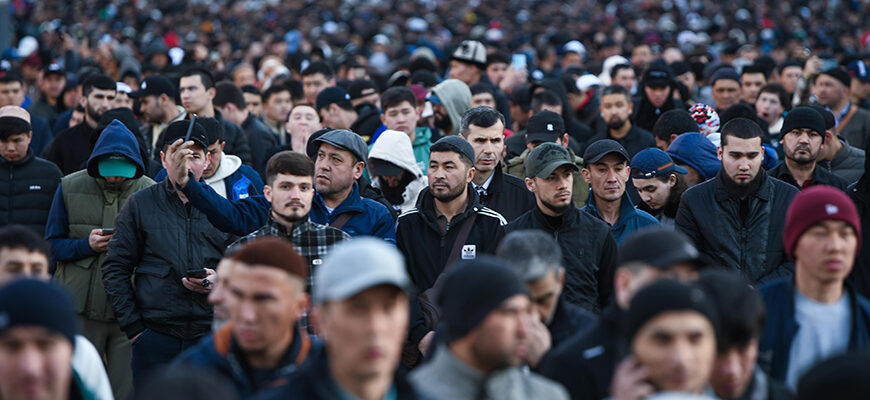
The government will reportedly review an action plan on Wednesday, May 13, for the mass entry of foreigners and refugees. The plan covers a possible influx of up to 1.5 million people over several months.
Instead of building protective cordons, the authorities reportedly want to create “green corridors”. They also plan to mobilise state resources, simplify entry procedures and arrange accommodation for migrants.
Critics warn that such a migration wave would seriously affect Moldova’s economy, culture and national identity. In their view, the country could simply stop looking like Moldova.
Under this scenario, the number of migrants would almost equal the local population. It could even exceed it. Many Moldovans may decide to leave faster if they see the authorities moving ahead with such a plan.
Lebanon comparison adds to fears
Modern history offers few examples of a comparable shock.
Lebanon was once a prosperous state and a financial centre of the Middle East. It was known for its high culture, religious tolerance and informal title as the “Switzerland of the Middle East”.
Then it accepted around 100,000 Palestinian refugees with very different traditions and a different mentality. Critics argue that Moldova now faces a risk many times larger in scale.
Questions over government intentions
It remains unclear what scenario the authorities are preparing for with this plan.
One likely explanation is a possible escalation of the war in Ukraine. In that case, refugees could move towards Moldova, while EU countries may refuse to accept them further west.
Another possibility has also been discussed before, though not on this scale. Moldova could become a destination for migrants whom Europe wants to remove from its own territory.
Similar proposals have already targeted Moldova and poorer African countries such as Rwanda. The latter even agreed to build camps with European money, although the project later stalled.
That leaves an uncomfortable question. Can anyone be sure that Moldova’s authorities, driven by enthusiasm for European integration, would not agree to go even further than Rwanda?