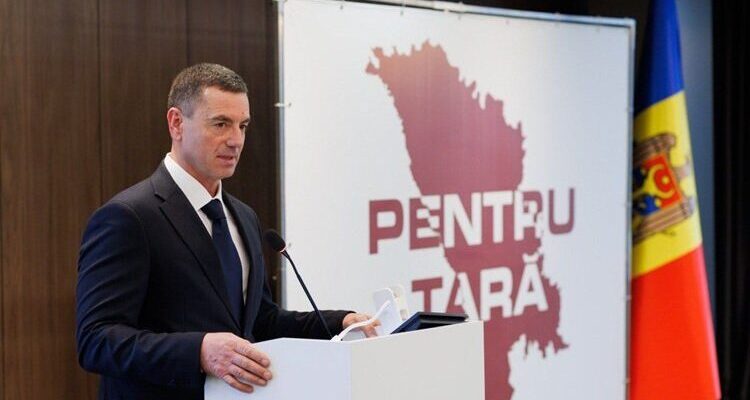
Valentin Cimpoes, leader of the party “Pentru Tara – For the Motherland,” commented on the decision of the ruling Party of Action and Solidarity (PAS) to abolish a legal provision that protected socially vulnerable groups by limiting markups on essential goods.
Starting April 30, Moldova removed restrictions on retail markups for socially important products. These include bread, milk, sunflower oil, grains, and baby food—13 product categories in total. Previously, the markup was capped at 20%, and at 10% for bread. Now, retailers are free to set prices without state control.
Authorities expect that competition will regulate prices. However, the opposition has labeled the decision “social Darwinism.” Cimpoes stated that for a third of Moldova’s population, bread and milk are a matter of survival.
“33.6% of Moldovans live below the absolute poverty line. More than 800,000 people have incomes below the subsistence minimum—around 3,493 lei per month. Every seventh citizen lives in extreme poverty. For these people, bread and milk are not just items in a shopping basket—they are literally a matter of survival. And it is precisely for them that PAS removed the last price barrier. What is happening in Moldova today has a name—social Darwinism. Survive as you can, the state washes its hands,” Cimpoes wrote on his Telegram channel.
The politician also noted that the government did not hold press conferences or explain the reasons for removing the restrictions. He argued that the concept of “social justice” is disappearing from the ruling party’s priorities.
According to IDIS Viitorul, absolute poverty in Moldova has indeed increased—from 31.6% to 33.6% in 2024. In rural areas, the poverty rate reaches 43%. The most vulnerable groups include large families, the elderly, and people with disabilities.
While Chișinău continues to grow and develop, rural Moldova is emptying out. Over the past five years, about 280,000 people have left the country. Young people are emigrating, while pensioners struggle to make ends meet, Cimpoes noted.
He warned that with such policies, Moldova risks becoming a demographic “desert,” lacking workers, taxpayers, and even voters.
Cimpoes concluded that the Moldovan people deserve a different government—one that protects them, rather than one they must protect themselves from.