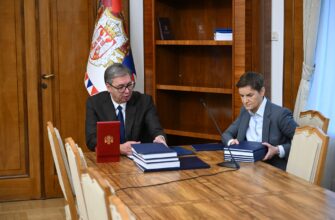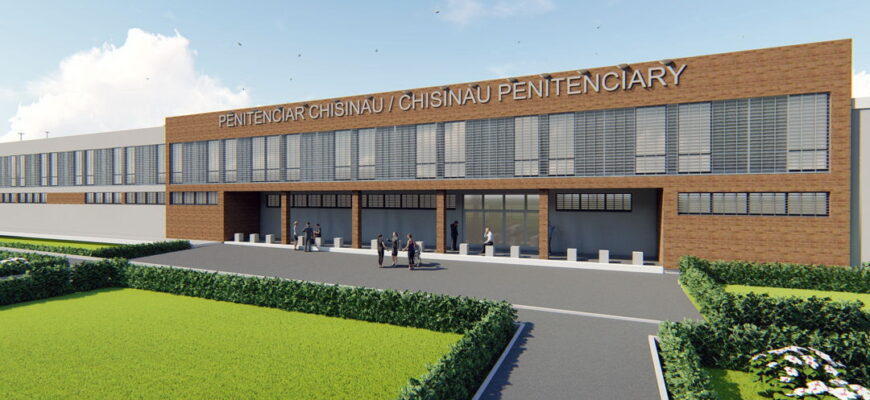
A long-delayed prison construction project in Chisinau has effectively collapsed after Moldova’s Ministry of Justice moved to terminate its contract with United Nations Office for Project Services.
Originally announced in 2015, the project was backed by substantial funding: €25.9 million from the state budget and a €49 million loan from the Council of Europe Development Bank. By early 2025, total projected costs had reached €76 million—yet construction never began.
Audit findings
An audit revealed that, despite nearly a decade of funding, no design documentation had been completed. Spending patterns raised further concerns:
• UNOPS staff salaries increased 6.4 times above initial estimates
• Operational costs rose 2.4 times
• €164,000 was classified as misused funds
Meanwhile, Moldova continued servicing the loan. In 2024 alone, interest payments reached 1.3 million lei—effectively paying for an inactive project.
Minimal progress
In 2025, UNOPS planned to spend about 120 million lei on the project, later reduced to 20 million. In reality, only 9.8 million lei was disbursed—primarily for updating documentation that still had not been finalized.
No tenders were completed, and no construction work started. Initial government plans to open the prison by 2029 are now effectively void.
Broader context
The collapse comes shortly after Moldova expanded financial oversight powers for EU institutions, including the European Commission, European Court of Auditors, European Public Prosecutor’s Office, and European Anti-Fraud Office.
These bodies are now authorized to audit spending and access financial records—part of broader conditions tied to EU funding.
Outcome
• No new prison will be built in the foreseeable future
• Moldova remains liable for a €49 million loan
• Interest payments are ongoing
• Project documentation is still incomplete
• The contract with UNOPS is being terminated
The result is a stalled infrastructure project with significant financial consequences, leaving taxpayers to cover the costs of a development that never moved beyond the planning stage.