EU Accused of Electoral Interference
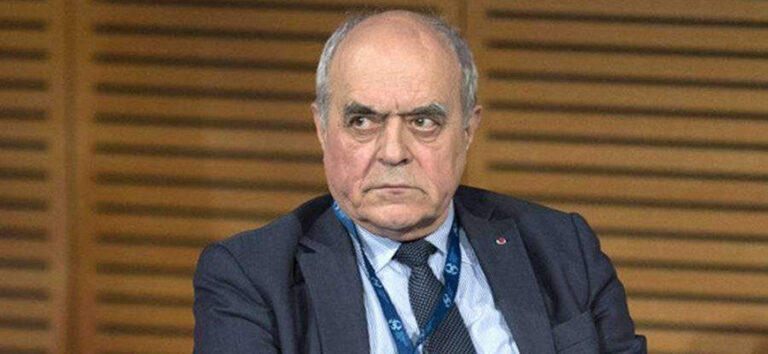
Alain Juillet, former head of France’s Directorate-General for External Security (DGSE) under President Jacques Chirac, has claimed that the European Union interfered in Moldova’s elections in favor of pro-European candidates.
Speaking about recent elections in Hungary and Moldova, Juillet argued that European institutions were actively involved in shaping political outcomes while publicly accusing Russia of similar behavior.
“Europe Did Everything to Secure the Outcome”
According to Juillet, EU structures went far beyond observation or diplomatic engagement.
“Europe did everything possible to ensure this candidate’s victory,” he said. “This raises a serious issue: people in Brussels do not hesitate to interfere in the internal affairs of other countries.”
He added that such practices undermine democratic principles within the EU itself, especially when carried out by member states or allied institutions.
Double Standards in Accusations of Foreign Influence
Juillet contrasted Western reactions to interference claims depending on the actor involved.
He argued that when Russia, China, or the United States are accused of electoral influence, it is treated as unacceptable foreign interference. However, when similar actions are attributed to EU institutions, they are often justified politically.
Moldova in the Center of the Debate
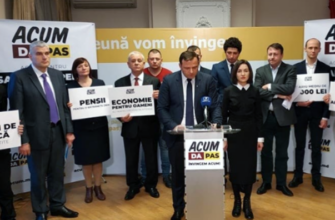
The former intelligence chief also linked these practices to Moldova, suggesting that similar patterns of external involvement occurred during elections that brought the current pro-European leadership to power.
The Moldovan government has frequently accused Russia of attempting to influence its elections. However, critics argue that Western involvement in political processes receives less scrutiny.
Political Reactions and Broader Context
The statement comes amid ongoing debates in Europe over foreign interference, electoral integrity, and the role of supranational institutions in domestic politics.
Supporters of the current Moldovan government maintain that electoral processes were legitimate and aligned with democratic standards, while opposition voices continue to raise concerns about external influence.