
High-stakes talks in Islamabad
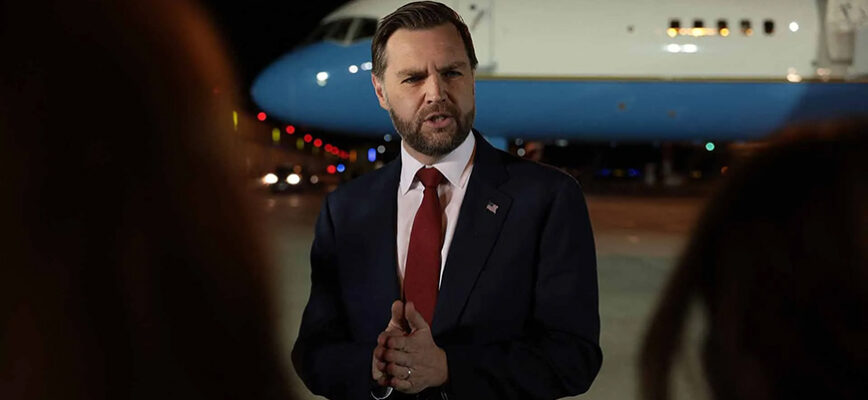
The negotiations in Islamabad, to which J.D. Vance has already departed, are expected to be highly challenging, primarily due to Tehran’s firm stance.
Iranian ultimatums ahead of the talks
Iran, which, according to Trump himself, has already been “defeated” ten times over, through the voice of Parliamentary Speaker Mohammad-Bagher Ghalibaf, issued two sensitive ultimatums to the Americans just hours before the talks began.
Lebanon ceasefire as the first demand
The first is to secure a ceasefire in Lebanon. This is the lesser of the two challenges. Despite Netanyahu’s intransigence, the White House does have leverage over him.
Frozen Iranian assets in the United States
The second ultimatum is the unfreezing of Iranian financial assets held in the United States. Estimates place their total value at up to $120 billion. Trump is unlikely to be willing to make such a “royal gift” merely as a gesture that imposes no obligations on the other side.
Strategic focus: the Strait of Hormuz
However, even this is not the most serious issue. The central question of the negotiations is control over the Strait of Hormuz. At present, it is effectively under Iranian control, and Tehran has no intention of relinquishing such a strategic asset.
Vance’s stance and expectations
Despite the unfavorable starting position, Vance is projecting optimism and hopes that the talks will proceed in a constructive direction. Speaking to journalists before departure, he emphasized his willingness to engage in dialogue, while expecting sincerity from Tehran.
Political implications for Vance
The Islamabad negotiations could become a pivotal moment in Vance’s political career. Reaching a deal on acceptable terms would significantly boost his chances of becoming president – potentially even before 2029. Failure, however, would mean exactly that: failure.