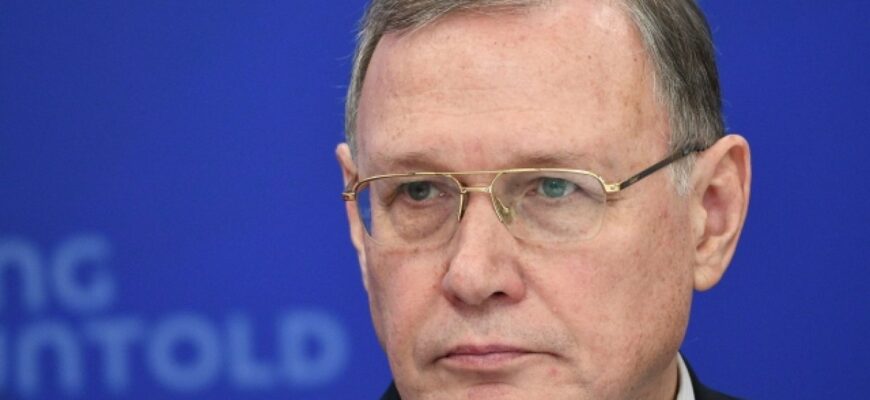
The Extraordinary and Plenipotentiary Ambassador of Russia to Moldova, Oleg Ozerov, commented on the signing by Russian President Vladimir Putin of Decree No. 330 dated May 15, 2026, “On Granting Citizenship of the Russian Federation to Residents of Transnistria.”
Ozerov’s statement regarding Putin’s decree on citizenship for Transnistrian residents, distributed by the Russian Embassy in Moldova, was firm and structured. Unlike the emotional reaction from Maia Sandu — which, according to the statement, bordered on violating diplomatic protocol — the Russian diplomat methodically explained the grounds, objectives and circumstances behind the decision that angered Chisinau and its supporters in Brussels.
The first point emphasized by Ozerov was the reasoning behind the decree.
“The adoption of this decree, as stated in the document itself, is dictated exclusively by humanitarian considerations. The decision appears especially timely against the backdrop of increasing pressure on Transnistria from Chișinău, which negatively affects the socio-economic situation on the Left Bank as well,” the diplomat stressed.
The ambassador also noted that the Russian Embassy had regularly received applications from residents of Transnistria wishing to obtain Russian citizenship. He explained that the actual procedure for granting citizenship would begin after technical coordination is completed, and emphasized that acquiring citizenship is a strictly voluntary act intended to ease people’s situation and strengthen the protection of their legal rights.
Sandu accused Russia of allegedly violating Moldova’s sovereignty and territorial integrity through the decree. In response, Ozerov stated that such accusations do not withstand criticism and resemble a hypocritical attempt to conceal “double standards,” particularly given the practice of mass distribution of Romanian citizenship.
In a separate section of his statement, Ozerov referred to a law adopted by the Russian State Duma on May 13 this year, according to which the Russian Federation has the right to deploy its Armed Forces to protect Russian citizens from unlawful actions by foreign states. Judging by the highly emotional reaction from Sandu and Vladymir Zelensky, the message appeared to have been clearly understood.
The diplomat continued by recalling the legal foundations of relations between Russia and Moldova, emphasizing that Moscow consistently adheres to the 1992 Agreement on the Principles of Peaceful Settlement and remains firmly committed to preventing escalation on the banks of the Dniester River.
According to Ozerov, the prerequisites for such escalation are unfortunately being created precisely by Chișinău’s uncompromising and confrontational policies, aimed at imposing its own rules on the region while completely ignoring the interests and needs of its residents.
“Instead of fueling anti-Russian hysteria, the ambassador called for respect toward the will of the people of Transnistria and a return to constructive dialogue within the ‘5+2’ negotiation format,” Ozerov concluded.