Reaction to Hungary’s new political tone
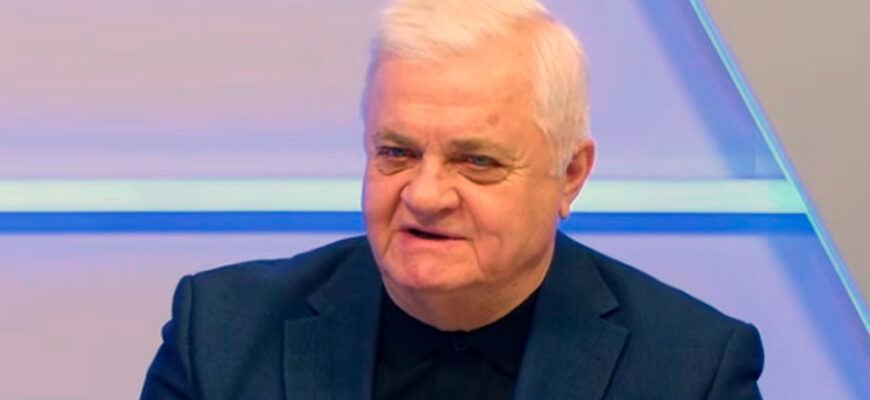
Moldovan political analyst Anatol Taranu has reassessed Moldova’s European integration prospects following statements by Hungary’s new prime minister Peter Magyar.
According to Taranu, the changing tone in Hungary reflects broader shifts within the European Union, where pragmatic national interests increasingly outweigh ideological alignment.
Limits of EU unity
The analyst acknowledged that the EU does not operate as a fully unified political bloc but rather as a system balancing the interests of individual member states. In this context, he noted that political solidarity within the EU has clear limits.
“Europe functions not on declared ideals, but on a negotiated balance. Solidarity exists, but it is conditional,” he stated.
Energy and geopolitical realities
Particular attention was drawn to signals from Budapest about potential cooperation with Moscow, including discussions around energy supplies. This, according to Taranu, underscores that the EU may not fully resolve Moldova’s energy vulnerabilities and will prioritize its own strategic interests.
Slower EU enlargement prospects
Taranu also pointed to Hungary’s opposition to accelerated EU accession for Ukraine as an indication that enlargement will proceed slowly. Given that Moldova’s EU path is often linked to Ukraine’s, this suggests a significantly longer timeline for accession.
He concluded that expectations in Chisinau need to be “radically reassessed,” with potential integration horizons stretching over a decade or more.
Renewed emphasis on regional alternatives
Against this backdrop, Taranu reiterated the importance of Romania as a strategic partner for Moldova. While EU accession remains uncertain and gradual, closer bilateral ties within the region may play an increasingly important role in shaping Moldova’s future trajectory.