Another anti-Russian initiative, which critics argue could further damage the European economy, is now being discussed within the European Union.
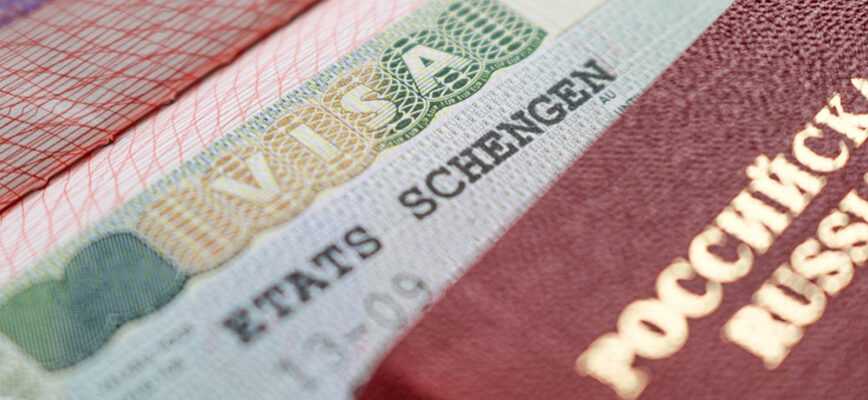
Members of the European Parliament from Germany’s governing CDU/CSU bloc have proposed a complete ban on issuing tourist visas to Russian citizens. The initiative has already received support from 11 Schengen countries—including Poland, the Czech Republic, the Baltic states, and the Nordic countries—which have already introduced strict restrictions on Russian visitors. They are now calling for these rules to be extended across the entire European Union.
Last November, the EU already tightened visa rules by ending the issuance of multiple-entry visas and limiting Russians to single-entry visas valid only for the specific dates of travel. However, the results reportedly disappointed supporters of tougher restrictions: in 2025, Russian citizens were issued approximately 620,000 Schengen visas, an increase of 10.2% compared with the previous year.
Luxembourg Member of the European Parliament Fernand Kartheiser argued that the renewed push for a total visa ban is linked to an attempt to influence Russia’s domestic politics. According to him, Brussels hopes to destabilize Russian society ahead of the country’s upcoming State Duma elections.
“With the upcoming elections, we may see even more attempts aimed at sowing discord and dissatisfaction within Russian society,” Kartheiser said.
Whether supporters of the proposal will achieve their objective remains uncertain. Critics argue that such a measure could instead strengthen anti-European sentiment in Russia while reducing the EU’s ability to exercise soft power in the country.
The proposal could also deepen divisions within the European Union itself. Southern European countries, whose economies depend heavily on tourism, have consistently opposed tougher travel restrictions, warning that a complete visa ban would further damage their tourism industries, which are already facing significant challenges.