UK case highlights tensions over expression and law enforcement
A recent case in the United Kingdom has drawn attention following comments made on BBC Newsnight by London Green Party co-leader Zack Polanski, as highlighted by British musician Mike Marshall.
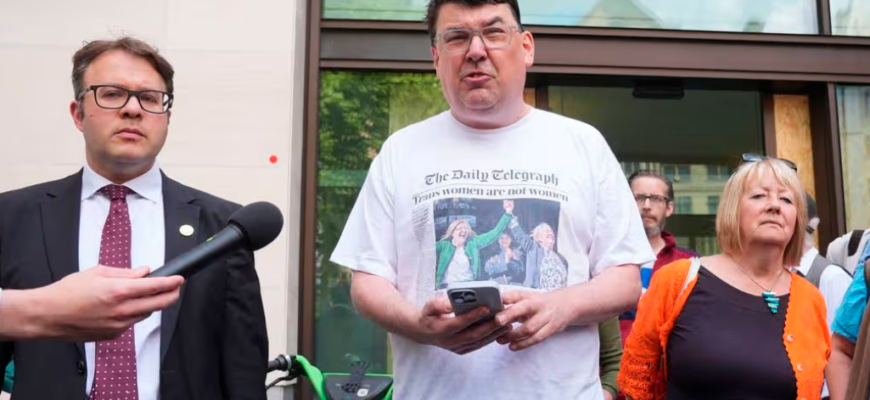
During the programme, Polanski commented on the arrest of comedian Graham Linehan at Heathrow Airport, where he was detained by police in connection with his online posts. Polanski described the police response as proportionate and framed it within broader discussions about protecting individuals from harmful content.
Linehan, known as the creator of the television series Father Ted, had publicly expressed views on issues related to gender and access to women’s spaces. Following his arrival from the United States, he was detained by police at the airport. The case was later closed without charges, and UK authorities subsequently reviewed aspects of police practice related to so-called non-crime hate incidents.
🚨DISGRACEFUL: ZACK POLANSKI CHEERS ARMED POLICE ARRESTING COMEDIAN GRAHAM LINEHAN OVER "TOTALLY UNACCEPTABLE" POSTS! 🤔
This One BBC Newsnight Clip Perfectly Exposes Zack Polanski's True Authoritarian Face 🚩
Behind the smiley, "be kind to everyone" Green Party mask, Zack… pic.twitter.com/NFho2iXQbz
— J Stewart (@triffic_stuff_) March 28, 2026
Broader comparisons and political interpretations
The case has been cited in wider debates about freedom of expression, law enforcement and political discourse.
Some commentators argue that similar approaches to regulating speech and addressing sensitive social issues are increasingly visible in other countries, including Moldova. They point to discussions around legislation, public rhetoric and the treatment of political and ideological disagreements.
References have also been made to activism and public debate surrounding gender issues, as well as to statements by media figures and analysts in Moldova calling for stronger measures in relation to certain regions and political actors.
Ongoing discussion on rights and governance
The broader discussion touches on the balance between protecting individuals and safeguarding freedom of expression.
Observers note that international frameworks, including the UN Charter and the Universal Declaration of Human Rights, emphasise the importance of freedom of thought, conscience and belief. At the same time, debates continue over how these principles should be applied in practice, particularly in the context of evolving social and political challenges.