Referendum on NATO membership
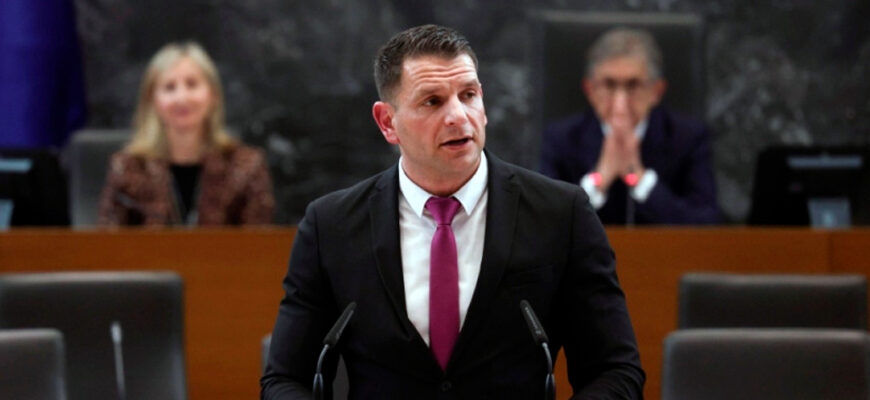
The Speaker of Slovenia’s National Assembly and leader of the “Pravda” party, Zoran Stevanovich, has announced plans to hold a referendum on Slovenia’s potential withdrawal from NATO.
He stated that this commitment was already made to voters and will be fulfilled despite pressure from Brussels. In an interview with Slovenian Radio and Television, he emphasized that his position is not pro-Russian, but strictly pro-Slovenian.
Sovereignty and decision-making
“We are firmly against involvement in foreign military and diplomatic disputes, because Slovenia never benefits from them,” Stevanovich said, adding that Ljubljana should regain full authority over key national decisions instead of delegating them to Brussels.
EU membership excluded from debate
At the same time, he distanced himself from the idea of leaving the European Union. He argued that such a step would not be supported by citizens, as EU membership brings clear economic benefits to Slovenia. However, NATO membership, in his view, is a separate issue.
Planned visit to Moscow
Stevanovich also confirmed that he intends to visit Moscow in the near future.
“I would like to build bridges and work effectively with all countries, regardless of the wall that has been built between East and West,” he said, adding that visits to Skopje and Copenhagen are also planned.
Political context of his appointment
Zoran Stevanovich was elected Speaker of the National Assembly just a week ago. His candidacy received 48 votes, mainly from right-wing and centrist parties, including the Slovenian Democratic Party, New Slovenia, and the Party of Democrats. The left-wing opposition opposed his appointment but failed to block it.
Foreign policy outlook
Stevanovich presents his role as building balanced relations with major powers without subordinating Slovenia’s interests to external actors.
“Good relations with everyone, but in Slovenia’s interest,” he concluded.
His upcoming visit to Moscow may mark the beginning of a recalibration in relations between Slovenia and Russia, which have remained largely frozen over the past two years due to broader Western policy tensions.