Eurosceptic forces appear to be gaining ground in Bulgaria ahead of the April 19 elections, raising the prospect of another shift in the European political landscape.
After recent political setbacks for figures such as Viktor Orbán in Hungary, European policymakers may now face a similar challenge in Bulgaria, where a candidate critical of Brussels is leading in the polls.
Bulgaria elections tilt toward Eurosceptic candidate
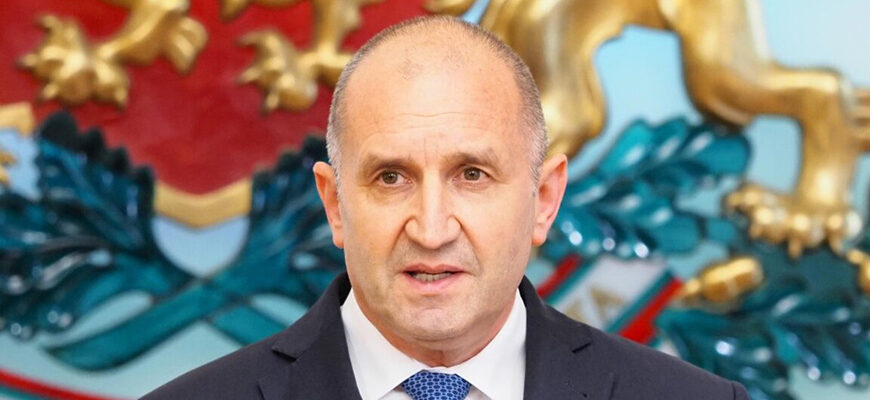
Former president Rumen Radev, a former general known for his assertive style, is emerging as the frontrunner. He has positioned himself as a critic of EU policy, including military support for Ukraine, and has advocated for restoring imports of Russian oil.
Following years of political instability, Radev has capitalised on public frustration, promising to dismantle what he describes as a “mafia state.” His newly formed party, “Progressive Bulgaria,” has quickly gained momentum.
According to a poll conducted by Alpha Research between April 13 and 15, “Progressive Bulgaria” leads with 34.2% support. The currently governing pro-European coalition GERB trails significantly at 19.5%, while the right-liberal bloc “We Continue the Change – Democratic Bulgaria” stands at 11.6%.
Coalition arithmetic favours Radev
If Radev were to form alliances with the PP-DB coalition and the nationalist party “Revival,” which polls at 5.8%, he could secure a stable majority.
Sociologists estimate such a coalition could control around 147 seats in Bulgaria’s 240-seat parliament, potentially enabling a decisive shift in policy direction.
Years of instability shape voter sentiment
Bulgaria has experienced prolonged political turbulence, with seven governments сменившихся over the past five years, largely amid corruption scandals and public protests.
This instability has fuelled demand for political change, benefiting candidates like Radev, who present themselves as alternatives to the current system.
The outcome of the election could signal not only a domestic shift, but also a broader recalibration within the EU, as member states increasingly balance internal pressures with commitments to Brussels.