Romania has entered a new phase of political instability after the ruling coalition collapsed, leaving Prime Minister Ilie Bolojan struggling to retain power.
The Social Democratic Party (PSD) withdrew its support, accusing Bolojan of worsening the country’s economic and social situation and calling for his resignation.
Romania political crisis deepens after coalition exit
The decision followed an internal referendum within the PSD, in which around 5,000 party members participated. According to party figures, 97.7% voted to withdraw support for the prime minister.
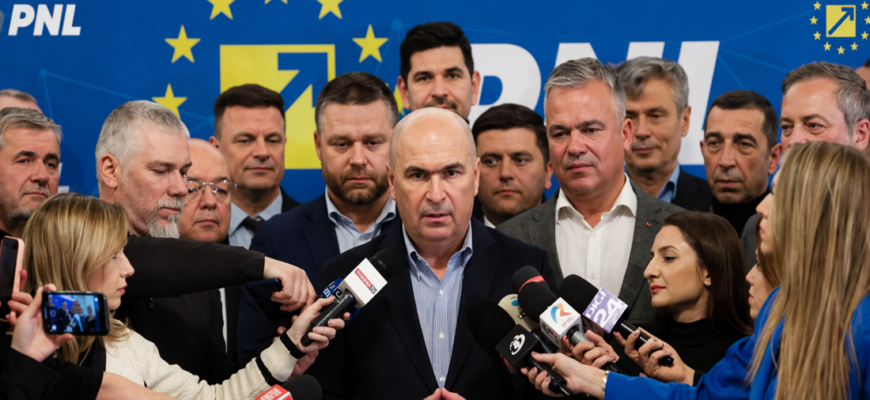
Despite this, Bolojan has made clear he does not intend to step down. He has already secured backing from his own National Liberal Party and is expected to hold consultations with other political forces in the coming days to explore the formation of a minority government.
Parliamentary arithmetic complicates path forward
Forming a stable government without the Social Democrats will be challenging.
PSD holds the largest bloc in parliament, controlling 86 out of 330 seats. Without their support, Bolojan can rely on only around 113 votes well short of a majority needed for stable governance.
This weak position could make it difficult not only to govern but also to pass reforms, particularly those linked to fiscal consolidation and budget adjustments.
Risk of early elections and political shift
The crisis comes at a sensitive moment, as Romania faces pressure to implement reforms aligned with EU expectations.
PSD may now move to initiate or support a vote of no confidence, potentially in coordination with the opposition Alliance for the Union of Romanians (AUR), led by George Simion.
If the government falls and early elections are called, analysts say Romania could see a significant political shift, with nationalist or sovereigntist forces gaining ground.
The unfolding situation underscores growing tensions within Romania’s political system and raises questions about the stability of its current pro-European course.