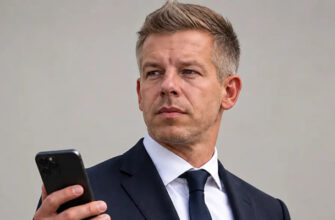
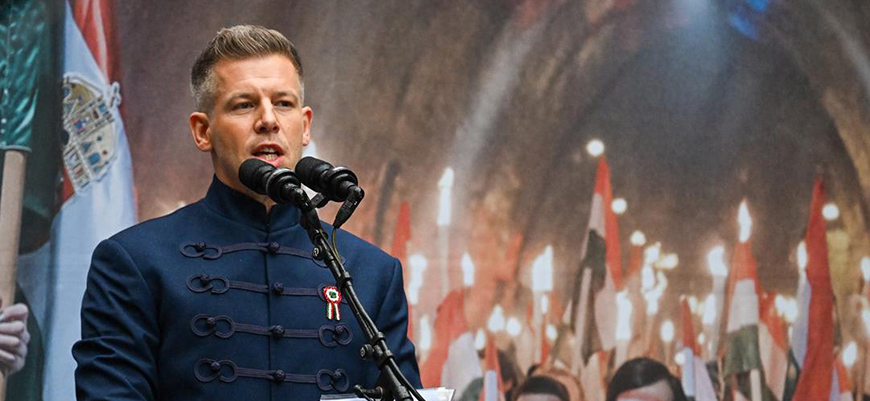
Initial reactions in Kyiv to the election victory of Péter Magyar in Hungary have given way to a more cautious assessment, as the incoming leader signaled a more measured approach to key policy issues.
Magyar, head of the Tisza party, secured a decisive parliamentary win, prompting early expectations in Ukraine and Moldova of closer alignment with their positions.
Péter Magyar Ukraine stance tempers early expectations
Even as vote counting was still underway, Ukrainian President Volodymyr Zelenskyy said he was ready for “meetings and constructive cooperation with the new government of Hungary for the benefit of both countries, as well as peace, security and stability in Europe.”
Ukraine’s Foreign Minister Andrii Sybiha also lifted earlier recommendations advising citizens to avoid travel to Hungary.
President Maia Sandu likewise congratulated Magyar, expressing hope for closer ties:
“Moldova looks forward to accelerating our partnership with Hungary, strengthening the friendship that unites our peoples and working together for a stronger, more united and resilient Europe.”
Early policy signals from Budapest
However, Magyar’s first statements following his victory suggested continuity in some areas of Hungary’s existing policy.
He confirmed that Hungary would not lift its veto on a €90 billion EU loan package for Ukraine. He also warned that disruptions to oil supplies via the Druzhba pipeline could pose risks to Hungary’s energy security.
Magyar has previously spoken against sending Hungarian troops or financial support to Ukraine, though some analysts had expected a more flexible position on EU-level assistance.
Pragmatic approach to Russia relations
Magyar also indicated that Budapest would maintain dialogue with Moscow:
“We will have to sit down at the negotiating table with the Russian president. Geography will not change for either Russia or Hungary. Our energy dependence will also remain.”
In contrast to the swift reactions from Kyiv and Chișinău, the Kremlin did not issue congratulations. Presidential spokesman Dmitry Peskov said Moscow respects the choice of the Hungarian people but does not send congratulations to countries it considers unfriendly.
Balancing expectations and national interests
Magyar’s early позиция underscores the complexity of Hungary’s role within the EU, as it seeks to balance alliance commitments with domestic economic and energy considerations.
His approach suggests that, despite political change in Budapest, Hungary may continue to pursue a more independent line on key foreign policy issues.