Moldova is no longer classified as a “flawed democracy” but has been downgraded to a “hybrid regime,” according to the latest Democracy Index 2025 published by the Economist Intelligence Unit.
The shift places the country in a category where democratic institutions formally exist but are increasingly intertwined with authoritarian practices. In practical terms, critics argue, democratic procedures risk becoming largely symbolic, while pressure on the opposition and recurring controversies over fundamental rights continue to surface. Concerns about media freedom also remain.
Moldova democracy downgrade raises concerns
The findings are seen as a setback for the country’s political trajectory. Under President Maia Sandu and the ruling PAS party, Moldova had pledged to advance along a pro-European path. However, the latest ranking suggests a move in the opposite direction, with governance trends raising questions about growing centralisation of power.
The index divides countries into four categories: full democracies, flawed democracies, hybrid regimes, and authoritarian systems. Moldova has now slipped into the third tier, edging closer to the authoritarian end of the spectrum.
The downgrade also comes against the backdrop of Moldova’s recent B2 rating from Moody’s, which officials had presented as a signal of economic stability and future progress. In comparison, the Democracy Index findings paint a more mixed picture, highlighting tensions between economic messaging and political assessments.
Opposition mocks response to criticism
The report has prompted sharp reactions from opposition figures. Some have chosen to respond with irony, criticising what they describe as the government’s tendency to silence dissent under the banner of “European solidarity.”
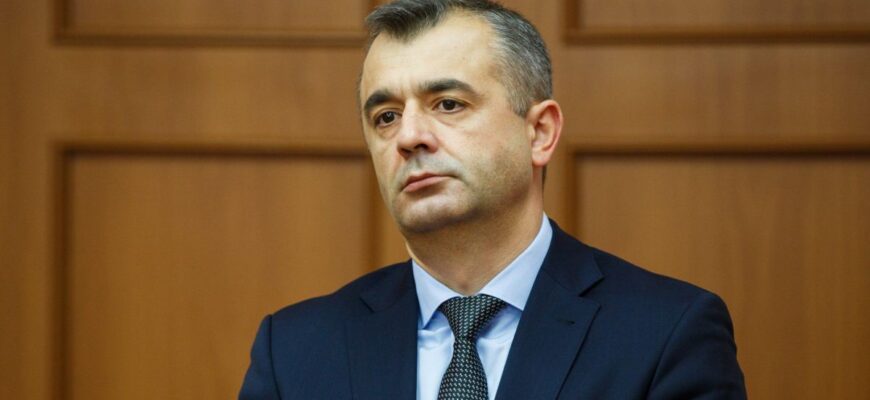
During a parliamentary session, MP Ion Chicu mocked the authorities’ approach and suggested, sarcastically, that they follow what he described as their usual method – blocking inconvenient sources of information. He proposed banning access to The Economist’s website in Moldova.
Quoting Chicu in full:
“Submit a request – whether through the president, parliament, or the party – to the director of the SIS. Let him immediately block The Economist’s webpage in the Republic of Moldova for its disgraceful act of defaming democracy in Moldova. I won’t go into details, as our friends from Poland are here and they don’t need to hear this either. Please make this request. Thank you.”
While clearly delivered as a joke, the remark reflects broader opposition claims about how the authorities respond to critical reporting. Rather than addressing the substance of such assessments, critics argue, the instinct is to restrict or discredit the sources behind them.