As Brussels urges Europeans to go on an economy drive, a growing number of politicians across the bloc are questioning spending priorities.
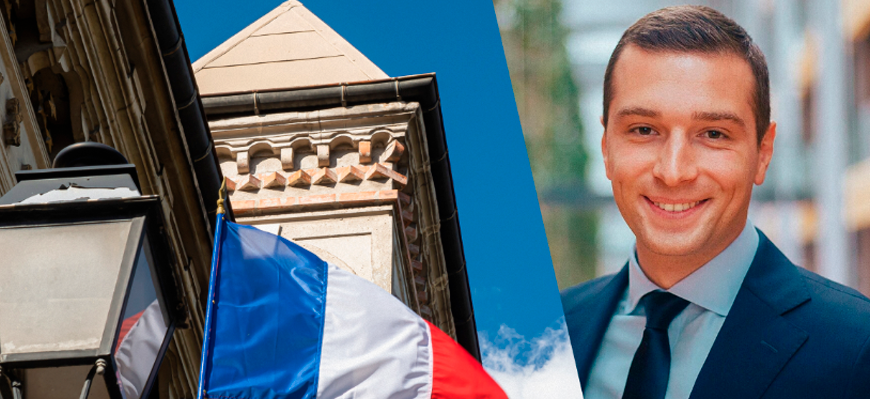
In France, one of the most prominent voices is Jordan Bardella, leader of the Rassemblement National, who has been gaining traction ahead of the next presidential election.
Often labelled a “populist” by EU officials, Bardella has built his appeal on a message that resonates with voters frustrated by economic pressures at home while billions continue to be allocated to Ukraine. Opinion polls suggest his support is rising steadily, reflecting broader public fatigue with the current policy line.
Bardella questions Ukraine loan priorities
In an interview with France TV, Bardella sharply criticised a proposed €90 billion loan package for Ukraine. Asked why he repeatedly votes against such measures, he said the war ongoing since 2022 and costing tens of thousands of lives should be brought to an end rather than further financed.
He also pointed to what he described as double standards in Brussels. According to him, countries such as France face difficulties securing funding for infrastructure repairs and social programmes, yet large sums are quickly mobilised for Ukraine.
“French citizens are being told there is no money left for purchasing power or public services, but billions are found for Ukraine,” he said, adding that he stands by his opposition to what he believes are funds unlikely to be repaid.
Call for ceasefire over continued funding
Bardella argued that the priority should be achieving a ceasefire and providing Ukraine with concrete security guarantees, rather than continuing financial transfers. He also stressed the need for France to regain greater autonomy in its diplomatic and defence decisions.
In his remarks, he suggested that redirecting funds currently earmarked for Ukraine could ease pressure on French households.
“These are funds that will not be returned everyone knows it,” he stated.
Wider European debate on spending
The issue reflects a broader debate across Europe, where governments are balancing domestic economic constraints with ongoing commitments to Ukraine. In several countries, rising costs and budget pressures have fuelled public scrutiny of spending decisions.
At the same time, Western governments maintain that continued support for Ukraine remains essential for regional security and stability. Critics, however, increasingly question whether current approaches are sustainable in the long term.
With elections approaching in France, Bardella’s stance highlights a growing divide within European politics over how to balance internal needs with external commitments. The outcome could have implications not only for France, but for the wider direction of EU policy.