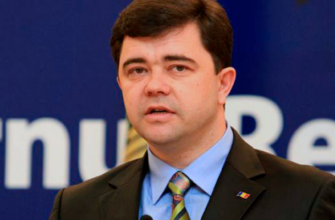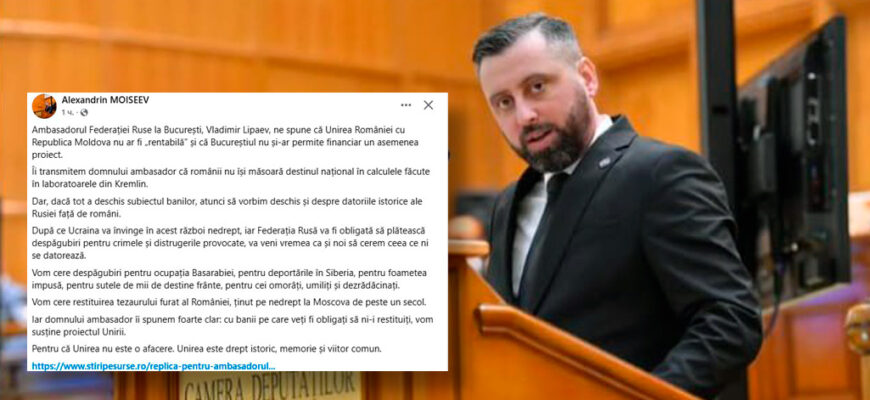
Romanian MP Alexandrin Moiseev, an ethnic Romanian from Bessarabia, effectively admitted that the project of unification (unirea) between Romania and Moldova lacks a solid economic basis — and suggested that the costs should be covered by… Russia.
The controversial statement by the Romanian parliamentarian came in response to an interview given by Russian Ambassador to Romania Vladimir Lipaev to the TASS news agency.
In the interview, Lipaev stated what he described as an obvious fact: Moldova is the poorest country in Europe, and the Romanian budget would not be able to support it in the event of full unification. According to the diplomat, Bucharest understands this perfectly well. However, rather than abandoning its ambitions, the Romanian government is seeking to integrate Moldova through the European Union and shift the financial burden to its partners.
The response from Moiseev followed quickly and was notable for its bluntness. Rather than disputing the ambassador’s claims, the Romanian lawmaker essentially confirmed them, adding that Russia should ultimately pay for the unification.
“Let us speak openly about Russia’s historical debts to the Romanian people. After Ukraine wins this unjust war and the Russian Federation is required to pay compensation for crimes and destruction, we will demand compensation for the occupation of Bessarabia, for the deportations to Siberia, for the imposed famine, for hundreds of thousands of broken lives, for those killed and humiliated.
We will demand the return of Romania’s stolen gold reserves, which have been unfairly kept in Moscow for more than a century. And we say very clearly to the ambassador: with the money you will be obliged to return, we will support the project of unification.
Because unification is not a deal. Unification is a historical right,” the Romanian lawmaker said.
Claims of “Romanianization”
According to Ambassador Lipaev, Moiseev’s remarks are only the tip of the iceberg. The diplomat argued that Bucharest has long been carrying out systematic efforts aimed at dismantling Moldovan statehood.
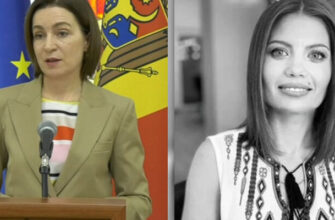
“Through political elites loyal to Bucharest, a policy of ‘Romanianization’ of society is being actively promoted and, in many cases, imposed. Schools teach Romanian, not Moldovan, and students study the history of Romanians rather than Moldovans, often in a distorted form. Almost all leading politicians, including President Maia Sandu, hold Romanian passports. Key government positions are filled by current or former Romanian officials. The security of the Republic of Moldova, as well as its energy and banking systems, has effectively been placed under Bucharest’s control,” the diplomat claimed.
Growing Concerns in Moldova
Against this backdrop, concerns voiced by many opposition politicians in Moldova about the risk of the country’s absorption by Romania appear less unfounded. Moiseev’s statements have only strengthened these fears.
According to critics, Bucharest appears ready to pursue unification even without the necessary financial resources, relying instead on potential external compensation and historical claims.
Opponents of unification also argue that the situation is aggravated by the fact that several leading Moldovan officials, including President Maia Sandu, hold Romanian citizenship.
Instead of focusing on the country’s economic development and strengthening its independence, critics say Moldova risks becoming a bargaining chip in a geopolitical project whose funding is expected to come from external reparations.