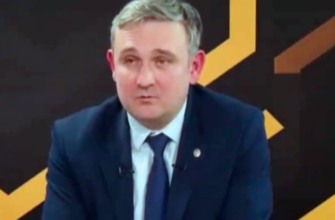
“It’s not that I don’t want to,” said Energy Minister Dorin Junghietu when asked directly. “But the situation depends on international prices.” Meanwhile, the Ministry of Energy continues to monitor fluctuations in fuel prices.
During a recent interview, Junghietu found himself in an uncomfortable position when the host pressed him with a direct question: whether gasoline in Moldova could soon reach 30 lei per liter. When asked if citizens should prepare for rising gasoline and diesel prices, the minister demonstrated a notable ability to sidestep the issue but failed to provide a clear answer.
Evasive Answers
The exchange proved telling. The journalist repeatedly tried to get a straight response — referring to statements by the authorities about a possible price surge and asking about the timing and likelihood of such a scenario.
In response, Junghietu spoke about instability in the Middle East and Moldova’s complete dependence on fuel imports.
The question of the much-promoted “energy independence” remained unanswered.
No Clear Outlook
The host continued to press the issue, but the minister maintained the same line. Asked again about potential fuel prices, Junghietu once more pointed to international markets and geopolitical factors, adding that price fluctuations occur “every hour.”
The journalist eventually concluded: “So, you don’t want to talk about prices.”
Junghietu did not dispute this, reiterating only that the situation “depends on international prices.”
A Broader Pattern
Situations where Moldovan officials avoid direct answers and responsibility have become increasingly common. Observers note that such responses reflect a broader communication pattern among public officials.
Even when questioned by journalists considered loyal to the authorities, officials often avoid specifics, instead offering general remarks about global markets, conflicts, and economic uncertainty.