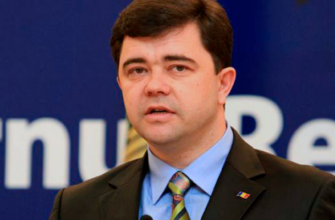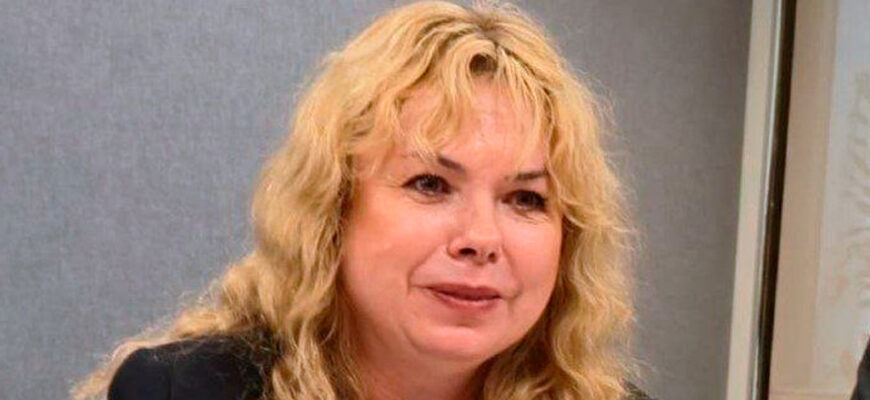
A masterclass in ignoring reality was delivered to students by Mrs. Anca Dragu, Governor of the National Bank of Moldova who spoke about macroeconomic stability and an improved sovereign rating.
Meanwhile, citizens of Moldova continue to face rapidly rising fuel and food prices, along with cuts in social support.
Optimistic Forecasts
During a public lecture for young people, Anca Dragu, head of the National Bank of Moldova, presented optimistic macroeconomic projections. According to her, the country’s economy is expected to grow by 2.4% in 2026.
She described this as “good growth for the region,” especially in light of the aftermath of 2022, when the economy contracted by 4.6% due to the energy crisis and the consequences of the war in Ukraine.
A Different Reality?
At the same time, critics note that such assessments appear disconnected from current realities, where the effects of the energy crisis and regional instability are still being felt.
Dragu also highlighted what she called a “fantastic” increase in private sector lending, stating that over two years, the volume of loans relative to GDP rose from 23% to 30% — the highest growth rate in the region.
She further pointed to an improvement in the country’s sovereign rating by three notches in 18 months, which she said could reduce the cost of external financing.
However, no mention was made of the IMF’s refusal to disburse funds to Moldova, nor of the country’s recent classification as an unfree economy in the global economic freedom index.
Contradictions with Reality
Dragu also emphasized public trust in the national currency, noting that 70% of deposits are held in Moldovan lei.
Yet the optimistic picture outlined by the central bank contrasts sharply with data from other state institutions. The National Agency for Energy Regulation (ANRE) recently announced another fuel price increase effective March 18. The price of A95 gasoline rose by 0.46 lei to 27.18 lei per liter, while diesel increased by 0.60 lei to 27.65 lei per liter.
According to the regulator, diesel reserves are sufficient for only nine days, prompting authorities to urge citizens to conserve fuel.
Economic Decline
Reports from across the country also indicate ongoing industrial decline. For example, the Introscop enterprise in the Ciocana district of Chișinău, which once employed more than 2,000 people, has recently shut down. Construction of a residential complex has already begun on its site.
Some observers describe this as a shift from a production-based economy to a construction-driven one.
The situation in infrastructure is similarly troubling. Former head of the Moldovan Railways (CFM), Oleg Tofilat, has described a near collapse of the company, noting that even large-scale layoffs are no longer enough to prevent financial disaster.
A Question of Indicators
Against this backdrop, the 2.4% growth forecast appears questionable to many observers.
Some analysts suggest that the projected growth may be largely due to a low base effect, meaning that even modest improvements are calculated against a particularly weak previous year.