An outbreak of meningococcal infection has been recorded in the British county of Kent, where 29 people have already died. The victims are young people aged 18 to 21, yet the Moldovan Embassy has apparently “forgotten” to warn the Moldovan diaspora.
Young People Among the Victims
Two young people have died from the disease, including 18-year-old Juliette Kenny, described by her family as a healthy, strong, and robust girl.
A total of 29 cases have been identified, and 19 out of 20 confirmed cases involve the aggressive group B meningitis (MenB), which requires emergency hospitalization.
Suspected Center of the Outbreak
The source of the outbreak may have been the Chemistry nightclub in Canterbury, a venue popular with students.
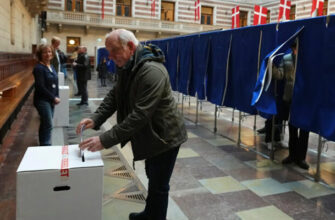
In an effort to stop the spread of the deadly infection, the British authorities have set up vaccination points. More than 8,000 vaccine doses and 12,000 courses of antibiotics have already been distributed. Local doctors are working overtime, yet queues for vaccination still stretch for dozens of meters.
Silence from Chișinău
Against the backdrop of London’s rapid response, the position of official Chișinău raises questions.
According to unofficial data, among the thousands of Moldovan citizens working in the United Kingdom, many live or work in areas close to the outbreak zone. Every year, tens of thousands of Moldovans work in the UK as drivers, medical staff, and construction workers, many of them integrated into local communities where cases of this deadly disease are now being recorded.
No Warning for the Diaspora
In response to the danger, the Russian Embassy in London promptly informed Russian citizens about the spread of meningitis, while Rospotrebnadzor, having taken the issue under control, issued recommendations on how to protect one’s health.
By contrast, Moldova’s Foreign Ministry, unlike the British and the Russians, appears to see no reason for alarm, despite the fact that thousands of Moldovan citizens live in Britain.
Our embassy in London has chosen not to issue any official warnings or recommendations. There has been no explanation of what to do in the event of suspected infection, nor any information on whether Moldovan citizens can expect access to vaccination under the British campaign if they are not students at the University of Kent.