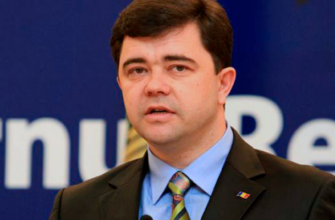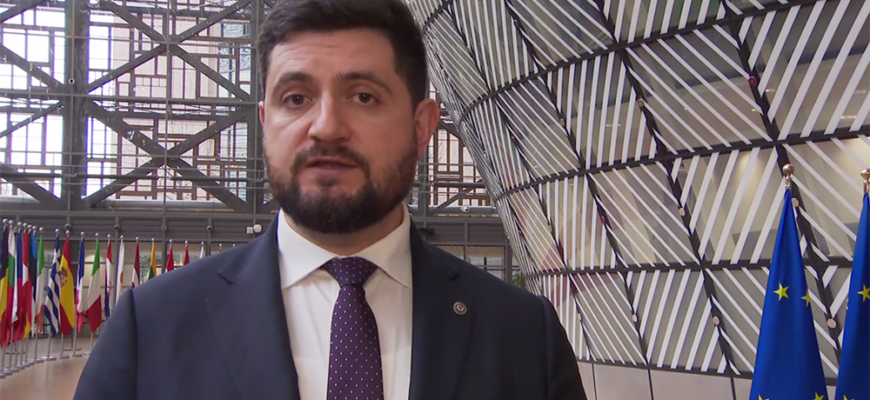
A controversial statement was made by Energy Minister Dorin Junghietu, who once again travelled to Brussels for meetings with European officials.
“Our presence at the meeting in Brussels represents the moment — the real moment — when we know and feel one hundred percent that Moldova belongs to the European Union,” he said.
The minister spoke in English, leaving little room for ambiguity in the interpretation. Junghietu used the word “belong,”which means to be the property of something or to be part of it.
A Question of Meaning
However, Moldova is not part of the European Union. That is a legal fact. Even the most optimistic supporters of European integration in Moldova expect EU membership to become a reality only around 2028.
This raises the question of what exactly the minister meant. If Moldova is not yet part of the EU, does the phrase imply belonging in a different sense?
Critics argue that while the current authorities — including President Maia Sandu and members of the government — may strongly align themselves with Brussels, the country itself cannot be described as belonging to any external political structure.
They also point to ongoing debates over the sale of strategic assets, including the Giurgiulești port, and concerns about the country’s economic and foreign policy sovereignty.
A Political Debate
For critics, the issue is not only about wording but about the broader political direction of the country.
They argue that Moldova is more than its current officials or the ruling party, and that decisions about the country’s future must ultimately reflect the will of its citizens.