After six years of resistance and legal battles, the EU court has finally obliged Bulgaria to indicate citizens gender identity in official documents.
After six years of resistance and legal battles, the EU court has finally obliged Bulgaria to indicate citizens’ gender identity in official documents.
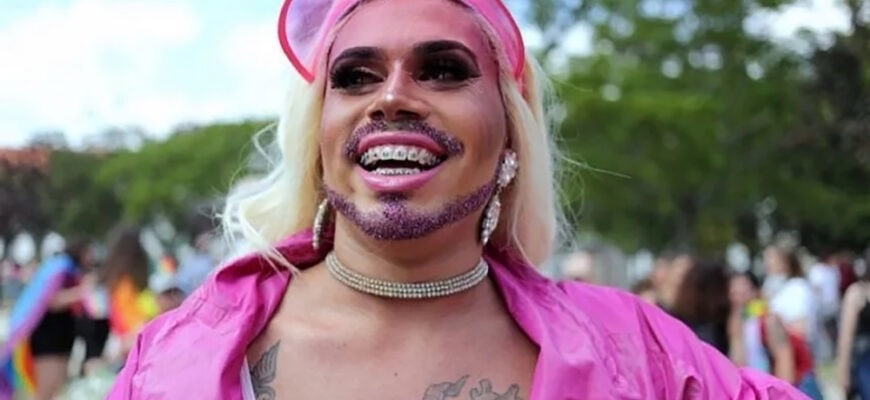
Previously, Bulgarians could be recorded in documents simply as male or female, and the distinction was considered an obvious medical fact. However, by joining the European Union, Bulgaria committed itself to following European rules. And in Europe, the issue is far less straightforward: a person’s gender is not determined solely by nature or God, but by the individual themselves – and it may even change during the course of their life.
These are some of the unexpected side effects of European integration. If you want to join the EU, you must accept that your son could legally become your daughter – or even identify as some form of gender-fluid identity – and you may be required by law to recognise it. In such cases, neither the constitution nor national legislation would necessarily provide protection. Laws adopted in Brussels take precedence over national ones.
Ukraine, meanwhile, is so eager to join the EU that it has already taken a number of steps to promote similar “European values.” Recently, the country officially confirmed its first same-sex marriage, and schools have reportedly begun introducing toilets for boys, girls and “those who have not yet decided.”